
Looks like you're visiting from {country}...
Switch to our {language} site for local pricing and products
Merchant insights
What is a quick-service restaurant?
In food service, speed matters. When customers walk into a busy café, takeaway spot, or burger restaurant, they expect fast ordering, quick payments, and smooth service from start to finish. That’s exactly what quick-service restaurants are built for.
IN THIS ARTICLE
This is a div block with a Webflow interaction that will be triggered when the heading is in the view.
.avif)
But what exactly is a QSR – and what makes it different from other types of restaurants?
We’ll explain what a QSR is, how quick-service restaurants operate, and what businesses can do to keep service running smoothly during busy periods.
Key takeaways:
- QSR stands for quick-service restaurant.
- Quick-service restaurants focus on fast ordering, fast payments, and efficient service.
- Common examples include takeaway restaurants, cafés, coffee shops, and large fast-food chains.
- Reliable POS and payment systems help QSRs reduce queues, speed up service, and stay organised during rush periods.
What is a QSR?
QSR stands for quick-service restaurant. A QSR is a type of food business designed to serve customers quickly and efficiently, usually with limited table service.
At a quick-service restaurant, customers typically order at a counter or kiosk, pay immediately, and receive their food quickly for takeaway or casual dining.
The focus is on:
- Speed
- Convenience
- Consistency
- High order volume
QSRs are built to keep service moving – especially during busy periods.
Features of a quick-service restaurant
Quick-service restaurants are designed around operational efficiency. While every business works differently, most QSRs share a few common features.
Fast ordering and checkout
Speed is central to the QSR model. Orders need to be processed quickly so businesses can reduce queues, serve more customers, and keep service flowing during peak hours. That’s why many QSRs rely on intuitive POS systems and fast contactless payments.
Simple, streamlined menus
Many QSRs keep menus focused and easy to prepare to reduce kitchen complexity, improve consistency, and speed up preparation times.
Some businesses also rotate seasonal items or limited-time offers while keeping core menu items stable.
High customer turnover
Unlike traditional sit-down restaurants, QSRs are built for fast table turnover or takeaway volume.
The goal is usually to serve customers efficiently, minimise waiting time, and handle high demand during busy periods.
Low pricing
Fast service, simple menus, and high customer turnover allow quick-service restaurants to offer meals at an affordable price point that appears to many different types of customers.
Flexible payment options
Customers expect to pay quickly and easily. Most modern QSRs accept all popular payment methods:
- Debit and credit cards
- Contactless payments
- Apple Pay and Google Pay
- Online and takeaway payments
Fast payment processing helps reduce friction at checkout.
Operational consistency
QSRs often depend on repeatable processes and clear workflows, such as simple staff training, clear kitchen communication, and reliable systems during peak periods. When operations are consistent, service becomes smoother and easier to manage.
Examples of quick-service restaurants in the UK
QSRs come in many different formats.
Examples include:
- Burger restaurants
- Pizza takeaways
- Sandwich and salad bars
- Coffee shops and cafés
- Fried chicken restaurants
- Street food vendors
- Bakery chains
- Bubble tea shops
In the UK, some examples of large QSR brands are:
- McDonald's
- Greggs
- Pret A Manger
- Subway
But many independent cafés, takeaways, and smaller food businesses also operate as QSRs.
How do QSRs differ from fast-casual restaurants?
QSRs and fast-casual restaurants may seem similar, but they’re built around different service models.
Quick-service restaurants
QSRs focus on speed, convenience, and high order volume.
Examples include businesses like McDonald's, Greggs, and many independent takeaways or coffee shops.
Typical characteristics include:
- Fast preparation and checkout
- Simpler menus designed for speed
- Counter ordering or takeaway-focused service
- Lower average order value
- High customer turnover
The goal is to serve customers quickly and keep queues moving.
Fast-casual restaurants
Fast-casual restaurants sit between QSRs and full-service dining.
Examples include brands like Nandos, Chipotle, or customisable food concepts where meals are prepared fresh to order.
Compared with QSRs, fast-casual restaurants often offer:
- More customised menus
- Fresher or made-to-order preparation
- A more premium in-store experience
- Longer customer visits
- Higher average spend per customer
Service is still relatively quick, but the focus is less on maximum speed and more on balancing convenience with dining experience.
In practice, many modern food businesses combine elements of both models depending on how they operate.
Best practices for running a quick-service restaurant
Running a QSR successfully often comes down to consistency and operational flow.
Here are some of the most important areas to focus on.
Keep ordering simple
Complicated ordering slows service down. Clear menus, intuitive POS systems, and streamlined workflows help staff process orders faster and reduce mistakes.
Make payments fast
Long queues can quickly affect customer experience during rush periods. Fast, reliable card machines and contactless payments help keep service moving smoothly.
Stay on top of sales and inventory
Busy food businesses need clear visibility over what’s selling and what needs restocking.
Integrated POS systems can help track:
- Sales performance
- Peak periods
- Popular menu items
- Inventory levels
That makes it easier to stay organised and reduce waste.
Learn more: Inventory management explained: What it is and why it matters
Choose solutions built for busy service
QSRs depend on speed and reliability. Your payment setup needs to work consistently during peak periods – not just when things are quiet.
That’s why many quick-service restaurants choose systems that combine fast payments, simple POS workflows, real-time reporting, and reliable support.
A simpler way to run your QSR
Quick-service restaurants are built around speed, consistency, and operational flow. The easier it is to take orders, process payments, and stay organised, the easier it becomes to keep customers happy during busy periods.
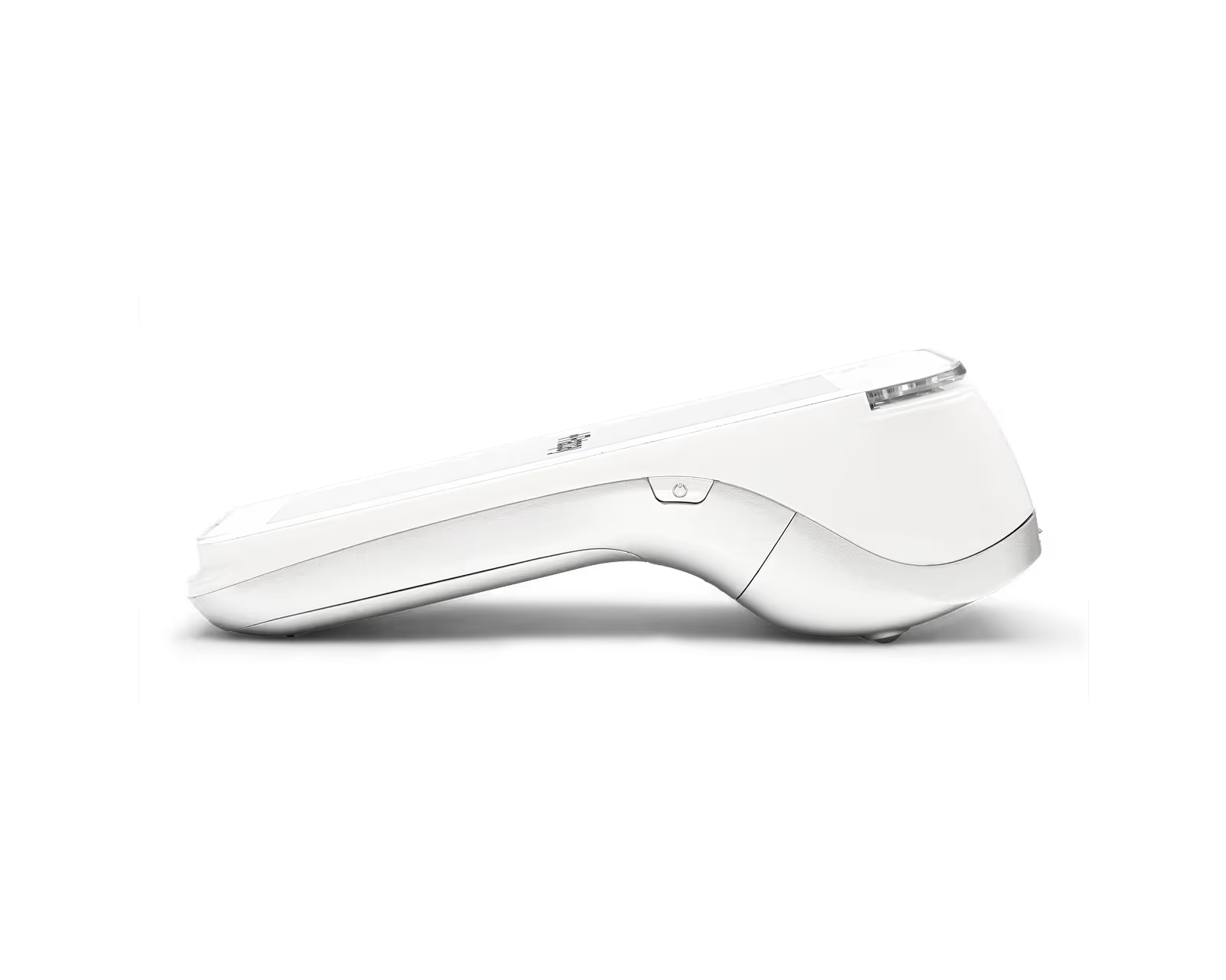
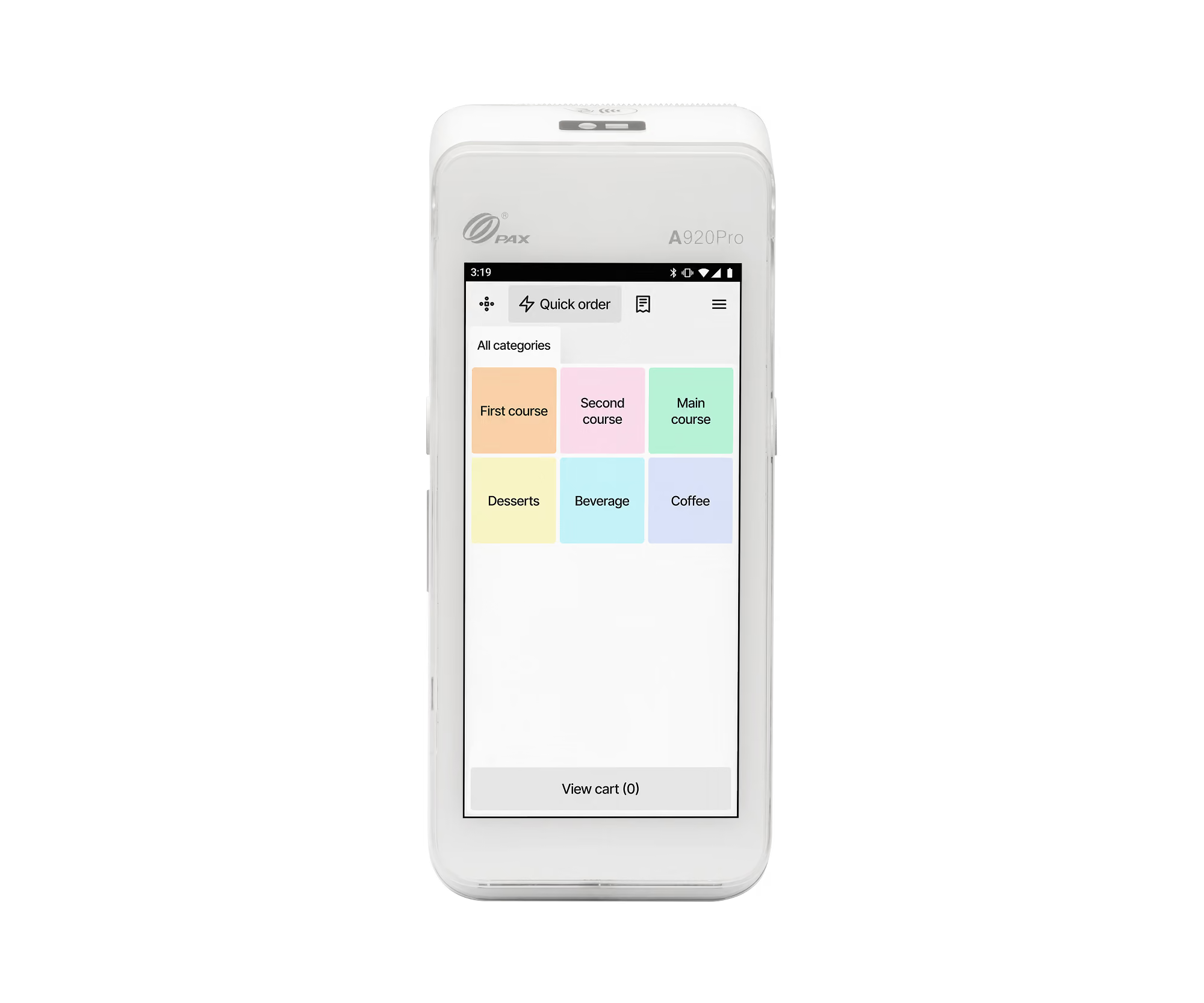
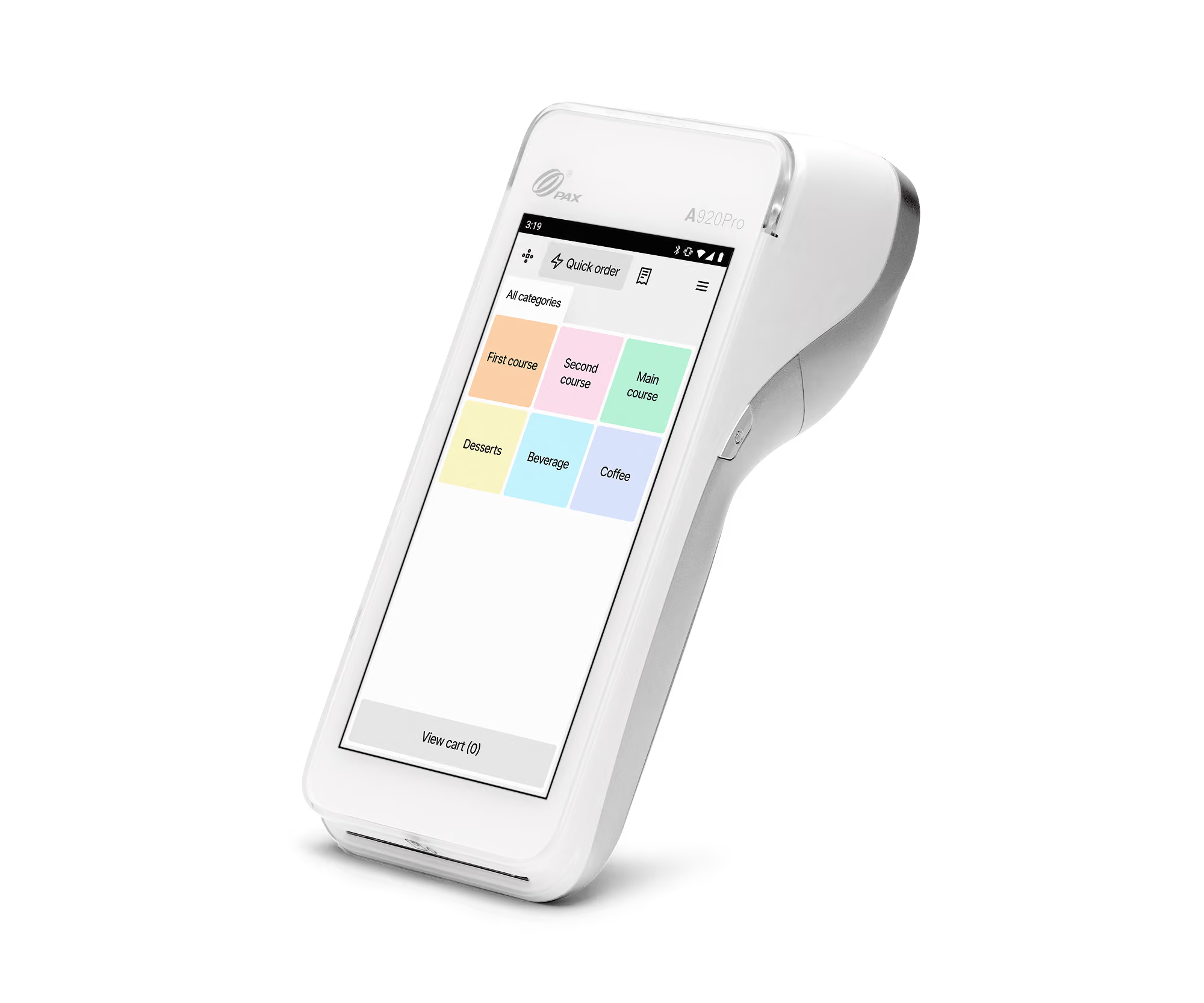
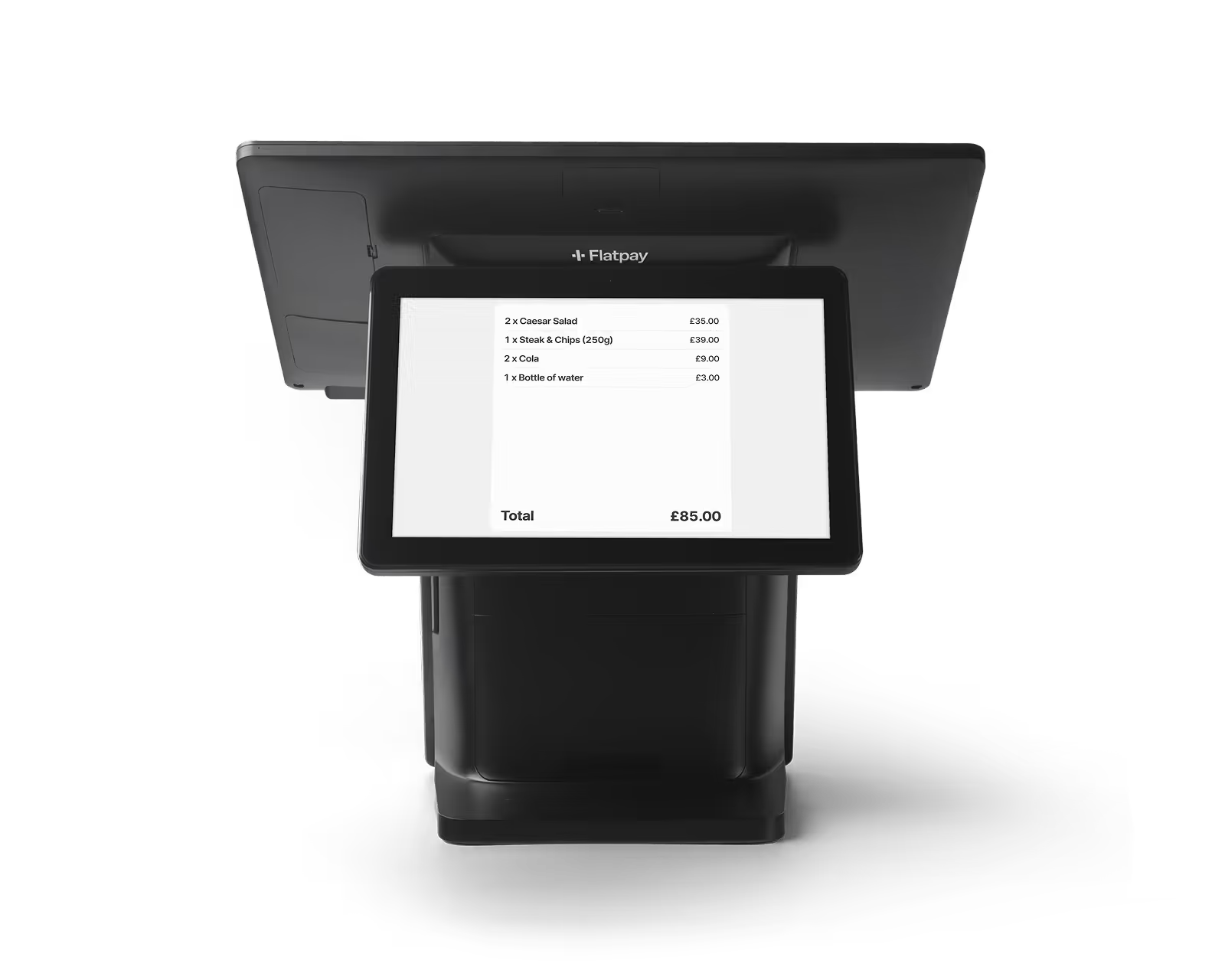
Flatpay is built to simplify your QSR operations:
- No monthly fees
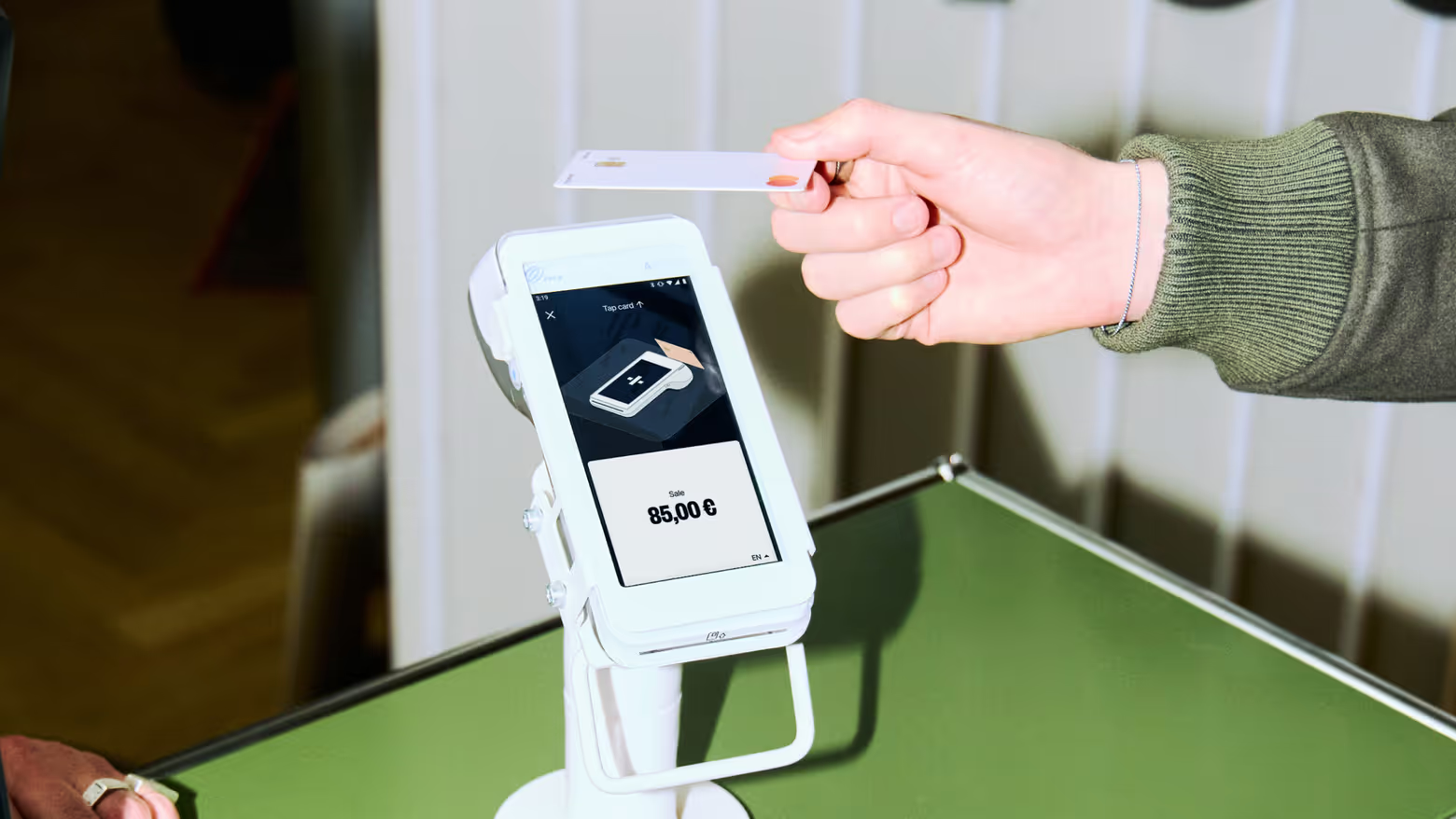
- Fast contactless payments
- Easy-to-use POS systems
- 24/7 human support
It’s the simple, reliable way to manage payments and day-to-day operations without unnecessary complexity.
Keep queues moving and service running smoothly, so you can focus less on systems – and more on service.
Accepting payments for any business, anytime, anywhere
Two solutions designed to get you paid.


Getting paid starts here
Let us get you set up to accept card payments and manage orders in one place. Get started today and see how smooth running your business can be with Flatpay.

