
Looks like you're visiting from {country}...
Switch to our {language} site for local pricing and products
Merchant insights
How to open a bubble tea shop in the UK

IN THIS ARTICLE
This is a div block with a Webflow interaction that will be triggered when the heading is in the view.

Bubble tea has gone from being relatively niche in the UK to a familiar sight on high streets across the whole country. If you're thinking about opening your own bubble tea shop, there is plenty to consider before you start serving customers.
In this guide, we'll take you through the practical steps involved, from choosing the right location and getting registered to planning your menu, setting up payments and getting your bubble tea shop completely ready for opening.
Key takeaways:
- Opening a bubble tea shop starts with the basics. A clear business plan, realistic costs and the right location.
- Your menu, equipment and shop layout should make drinks easy to prepare and service easy to manage.
- You will need to get the right registrations, licences and food safety requirements in place before opening.
- Marketing can help bring customers through the door, but a consistent product and smooth service help give them a reason to come back.
- Getting your POS and payment setup right from the start helps staff take orders quickly and keep queues moving when it gets busy.
What is a bubble tea shop?
A bubble tea shop serves bubble tea, also known as boba tea, made with tea, milk or fruit flavours and often served with tapioca pearls or other toppings.
Some operate as small kiosks, while others are larger cafés, similar to coffee shops with seating and a wider menu of drinks, flavours, toppings and add-ons.
How bubble tea shops differ from cafés and juice bars
Bubble tea shops have a lot in common with coffee shops and juice bars. It has the same counter service, a drinks-led menu and quick turnaround.
The main difference is in the preparation. Bubble tea often involves more steps and more customisation, from sweetness levels and ice to toppings and add-ons. That means staff need to manage more choices at the till while keeping orders moving.
The right business setup for a bubble tea shop should therefore make those customised orders easy to take, simple to prepare and quick to pay for.
Is a bubble tea shop a good business to start in the UK?
Before getting into the practical steps, it helps to know whether a bubble tea shop is the right business to start. Bubble tea has become much more established in the UK, but whether a shop will be a success depends on your location, costs, competition and how well the overall operations of the business is set up.
Demand and growth of bubble tea in the UK
Bubble tea has moved beyond its early niche in the UK, with dedicated shops now found across major cities and smaller towns. Market forecasts also point to continued growth over the coming years.
Its customisable format, with different flavours, sweetness levels and toppings, has helped make it particularly popular with younger customers. For anyone planning to open a shop, the opportunity is there, but it still comes down to getting the basics right. This means, you should always aim for the right location, a clear offer and nonetheless, a payment setup that can handle busy service.
Who is the typical bubble tea customer?
Bubble tea is, as mentioned above, especially popular amongst the younger crowd, including students and young professionals. That can influence where you open, with areas near universities, colleges and busy shopping streets often worth considering. It also shapes how you market the business. This younger group is known for being particularly more active on social media. Therefore, online platforms become an important way for you to reach your customers.
Steps to open a bubble tea shop in the UK
Once you have done your research and decided a bubble tea shop is the right business for you, the next step is turning that idea into a working business.
Here’s exactly what you need to get in place before you open.
Write a business plan
A clear business plan should cover your concept, target customers, menu, pricing and startup costs. It also gives you a better view of what you will need before signing a lease or committing to equipment and stock.
It can also help to work out how much you need to sell before the shop starts covering its costs. Read our article about the break-even point, and get a thorough explanation of how you calculate it.
Register your business and get the right licences
You will need to choose how to set up your business, for example as a sole trader or limited company, and complete the relevant registration.
Because a bubble tea shop serves food and drink, you also need to register the business with your local environmental health authority at least 28 days before you start trading. Food hygiene requirements apply even for drink-only concepts, so check what's needed before you open.
Other licences or permissions might also be needed for your location and setup, always check before opening.
Our guide to starting a business in the UK can help you understand some of the more practical steps involved.
Costs to consider: fit-out, equipment and stock
Your startup costs can include the shop fit-out, equipment such as tapioca cookers, shakers and sealing machines, your first stock of tea, syrups and toppings, and enough working capital to cover the early months.
Getting a clear view of these costs before you commit makes it easier to plan your budget. That includes payments too. Clear Flatpay pricing means you can see what your payment setup will cost even before you start selling.
Sourcing suppliers and ingredients
Reliable suppliers are an important part of keeping quality consistent from one drink to the next. That includes your tea, tapioca pearls, syrups, toppings and other ingredients.
Test products and suppliers before committing to larger orders, and make sure they can deliver what you need as the business gets busier. This can save you a lot of time as your business grows with time.
Choosing a name and layout for your shop
Your shop name and layout both shape how customers experience the business. Choose a name that is easy to remember and fits the type of bubble tea shop you want to create.
The layout should also make day-to-day service easy to manage. Think about where customers order, where drinks are prepared, and how staff move behind the counter. Then try to imagine that your bubble tea shop is really busy. Does your chosen layout still work?
Hiring and training staff
Staff need to learn the drink recipes, customisation options and food safety basics before they start serving customers.
Clear training helps keep service consistent and makes busy periods easier to manage. A simple till setup also helps new staff learn the checkout process quickly and can easily start taking orders with confidence.
Setting up payments and daily operations
Before you open, you need a simple way to take payments, track sales and stay on top of the daily admin.
Getting your POS system and payment terminal set up before opening day makes things easier from the start. Staff can learn the system in advance, payments are ready to go, and you have a clearer view of sales once customers start coming through the door.
If you are new to the technology, read our guide explaining what a POS system is and how it works.
Common challenges when starting a bubble tea shop
Managing ingredient costs and stock. Bubble tea often relies on specialist ingredients and toppings, so keeping track of stock and costs matters. Clear ordering and stock routines can help avoid waste and keep margins under control.
Standing out in a growing market. As more bubble tea shops open, you need a clear reason for customers to choose yours. Social media, local partnerships and a good in-store experience can all help bring people through the door.
Keeping queues moving during busy periods. Customised drinks can involve several preparation steps, which can slow service when orders build up. A simple layout, well-trained staff and a fast hospitality POS system can help keep orders and payments moving.
Getting your payment setup right from day one
Payments and daily admin are easy to leave until very late in the process, but getting them sorted before you open can make the first weeks much easier.
Bubble tea shops can, as mentioned earlier, range from compact takeaway kiosks to larger cafés with busy counters and customised drinks. Flatpay already supports kiosks, coffee shops and juice bars with many of the same needs.
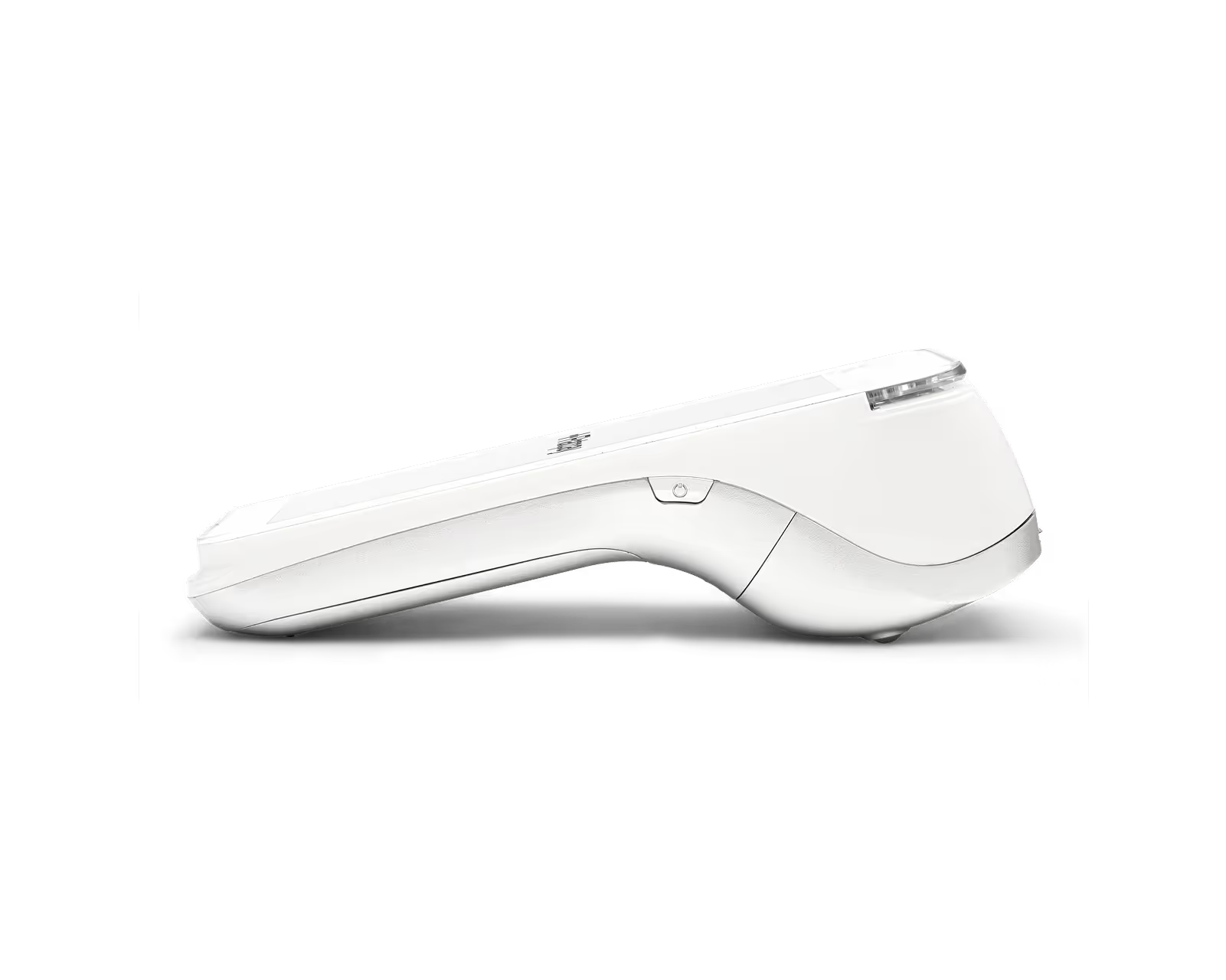
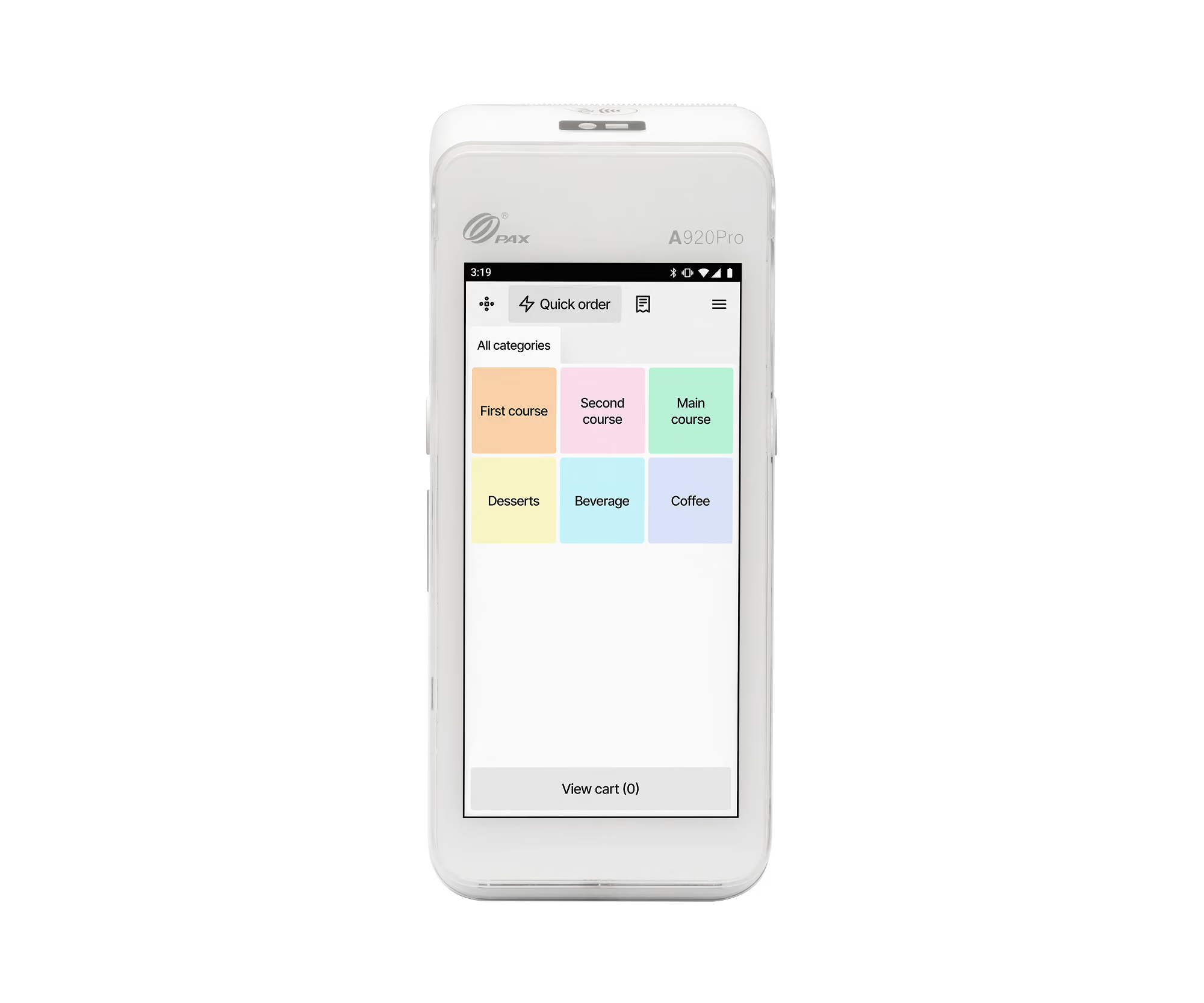
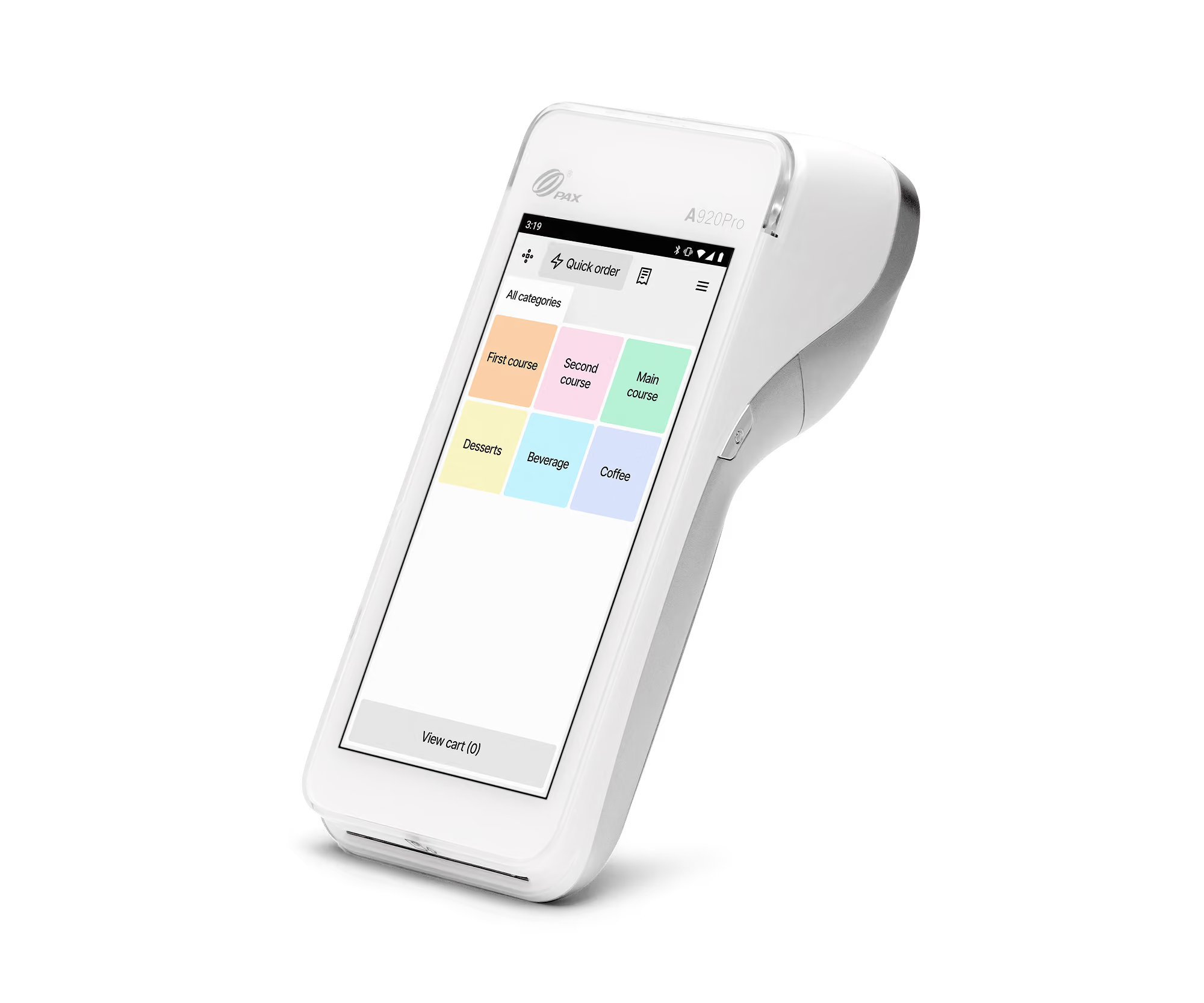
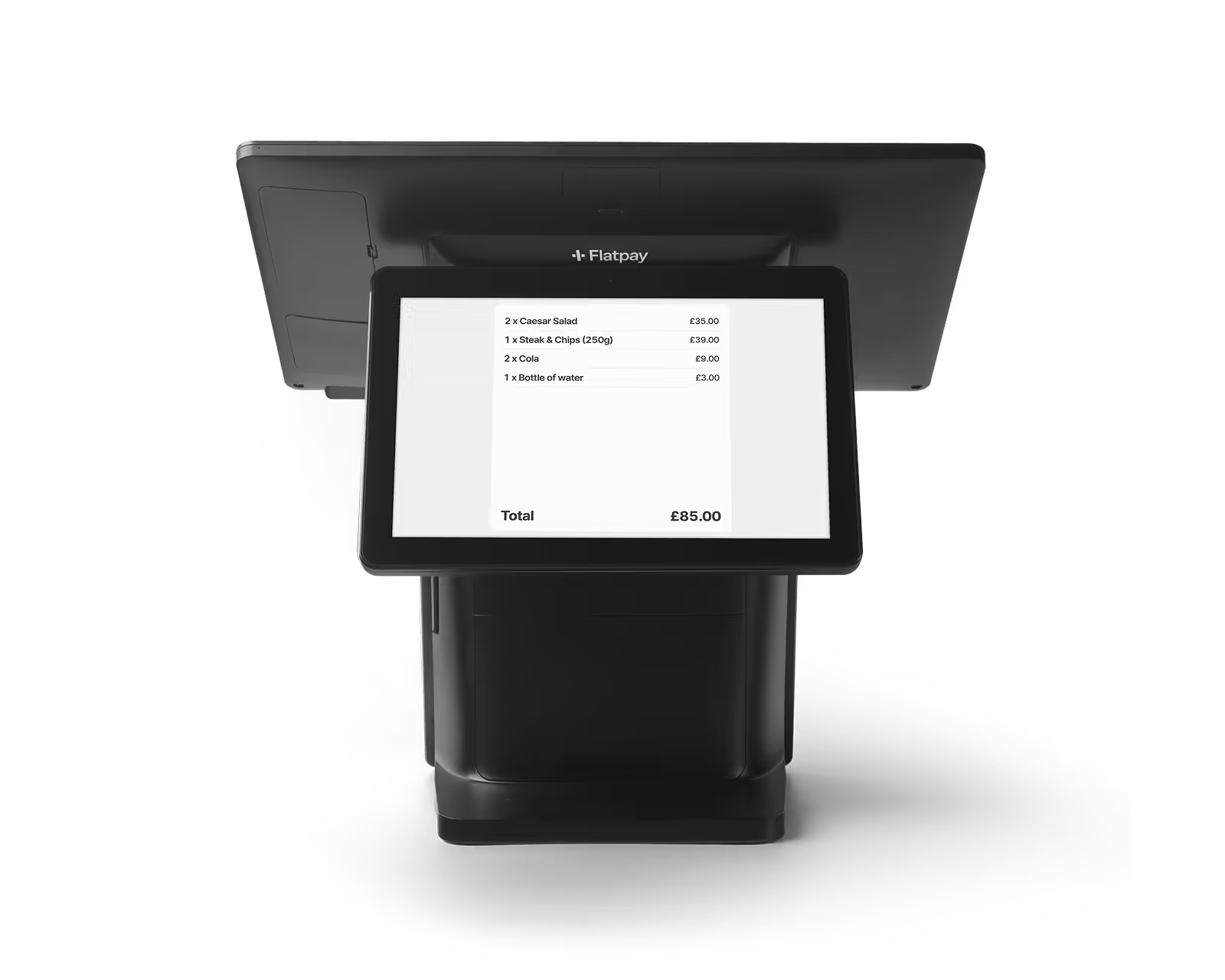
For a bubble tea shop, the payment setup needs to work with fast counter service and plenty of customisation. A simple POS system helps staff take orders and stay on top of sales, while a reliable payment terminal helps keep checkout moving when it gets busy.
Clear Flatpay pricing also makes it easier to know what your payment setup will cost, and support is always there whenever you need it.
Ready to open your bubble tea shop? Get started with Flatpay now.
FAQ
How much does it cost to open a bubble tea shop in the UK?
Costs depend on your location, shop size and setup. Typical expenses include fit-out, specialist equipment, initial stock, rent and enough working capital to cover the first months of trading. A clear business plan can help you work out a more realistic budget before you commit.
Do you need a licence to sell bubble tea in the UK?
You need to register your food business with your local authority at least 28 days before you start trading. Depending on how and where you operate, you may also need additional licences or permissions, so check the requirements for your premises before opening.
Is a bubble tea shop profitable?
It can be, but there is no guaranteed margin. Profitability depends on factors such as location, sales volume, pricing, ingredient costs, rent and how efficiently the shop is run. Keeping a close eye on costs and giving customers a reason to come back both matter.
If you want to work through the numbers in more detail, our guide to profit margin explains exactly what to look at.
What equipment do I need for a bubble tea shop?
Typical equipment can include tapioca cookers, drink shakers, sealing machines, fridges and ice machines. You will also need a simple POS and payment setup that makes it easy to manage customised orders and keep checkout moving.



Accepting payments for any business, anytime, anywhere
Three solutions designed to get you paid.


Getting paid starts here
Let us get you set up to accept card payments and manage orders in one place. Get started today and see how smooth running your business can be with Flatpay.

