
Looks like you're visiting from {country}...
Switch to our {language} site for local pricing and products
Merchant insights
What is Corporation Tax? A guide for small businesses

IN THIS ARTICLE
This is a div block with a Webflow interaction that will be triggered when the heading is in the view.

If you run a limited company in the UK, Corporation Tax is one of the main taxes you need to plan for. Unlike VAT, it is based on your company's taxable profits, and unlike Income Tax, it is paid by the company rather than you personally.
When dealing with your Corporation Tax, you also need to know what profits are taxed, which rate applies, when payment is due and what records you will need when it is time to file.
In this guide, we’ll therefore explain further how Corporation Tax works, the current rates and deadlines, and how small businesses can stay organised throughout the year.
Key takeaways:
- Corporation Tax is paid by limited companies and certain other organisations on their taxable profits.
- The corporation tax rate UK companies pay depends on their level of taxable profit, with rates currently ranging from 19% to 25%.
- Corporation Tax deadlines are based on your company's accounting period, and the deadline for paying usually comes before the deadline for filing.
- Taxable profit is not the same as turnover. Allowable expenses, capital allowances and tax reliefs can all affect how much Corporation Tax is due.
- Good Corporation Tax return preparation starts with keeping organised records throughout the year rather than trying to reconstruct them when the deadline arrives.
What is Corporation Tax?
Corporation Tax is a tax companies pay to HMRC on taxable profits made during an accounting period.
In simple terms, your company works out the profits that are subject to tax and applies the relevant Corporation Tax rate to determine how much is owed.
Taxable profits can include money made from normal trading, investments and gains from selling certain business assets for more than they cost. HMRC does not simply send your company a Corporation Tax bill, so the business is responsible for working out what it owes, paying it and filing the required return.
Corporation Tax vs Income Tax
The difference between Corporation Tax and income tax simply comes down to who is being taxed.
A limited company is a separate legal entity, so it pays Corporation Tax on its own taxable profits. Individuals may separately pay personal tax on money they receive from the business, such as salary or dividends.
If you're wondering, if sole traders pay corporation tax, the answer is no. Sole traders and individual partners are generally taxed on their business profits through Income Tax and Self Assessment instead.
The difference between corporation tax and income tax is therefore important when deciding how to structure and manage your own small business.
Who has to pay Corporation Tax?
For most small businesses, Corporation Tax for limited companies is the relevant rule. If you operate through an active UK limited company, the company can be liable for Corporation Tax on its taxable profits.
Corporation Tax can also apply to:
- Foreign companies with a UK branch or office, on relevant UK profits.
- Clubs and co-operatives.
- Certain other unincorporated associations.
UK-resident companies generally pay Corporation Tax on taxable profits from the UK and abroad, while a non-UK resident company with a UK branch or office is generally taxed on profits connected with its UK activities.
This often leaves afew people with the question: “Who needs to pay Corporation Tax in the UK?”. To sum it up short, it depends on the business structure rather than simply how large the business is.
How much is Corporation Tax in the UK?
The corporation tax rate UK companies pay depends on the amount of taxable profit they make.
The table below summarises the Corporation Tax rates and thresholds for the 2026 financial year:
The main rate corporation tax is therefore 25%, while the small profits rate corporation tax is 19%.
Companies with profits between £50,000 and £250,000 may qualify for Marginal Relief, which gradually increases the effective amount of tax as profits rise towards the upper threshold.
These thresholds are not always fixed at those amounts for every company. They can be reduced if you have associated companies or if your accounting period is shorter than 12 months.
Rates and thresholds can change, so check the latest HMRC guidance when preparing your return.
How is Corporation Tax calculated?
Corporation Tax is based on taxable profit. A simplified calculation might look like this:
Business income and taxable gains - allowable deductions and reliefs = taxable profit
The applicable Corporation Tax rate is then applied to that figure to calculate the tax due.
In practice, calculating taxable profit can be more complex than simply subtracting business expenses from revenue. The figure used for Corporation Tax may differ from the profit shown in your annual accounts because some expenses, deductions and tax adjustments are treated differently for tax purposes.
Which expenses can reduce taxable profit?
The allowable expenses corporation tax rules generally allow companies to deduct qualifying revenue expenses that are incurred wholly for a business purpose.
These can include costs involved in the day-to-day running of the company, depending on the circumstances.
Capital spending works differently. Buying a long-term asset, such as a commercial coffee machine, juicer, blender or refrigeration unit for a coffee shop or juice bar, cannot simply be treated in the same way as an ordinary running expense. However, the company may be able to claim capital allowances instead, depending on the type of equipment and the applicable tax rules.
This is one area where an accountant can be useful, particularly if the company has significant equipment purchases, investments, asset sales or tax reliefs to consider.
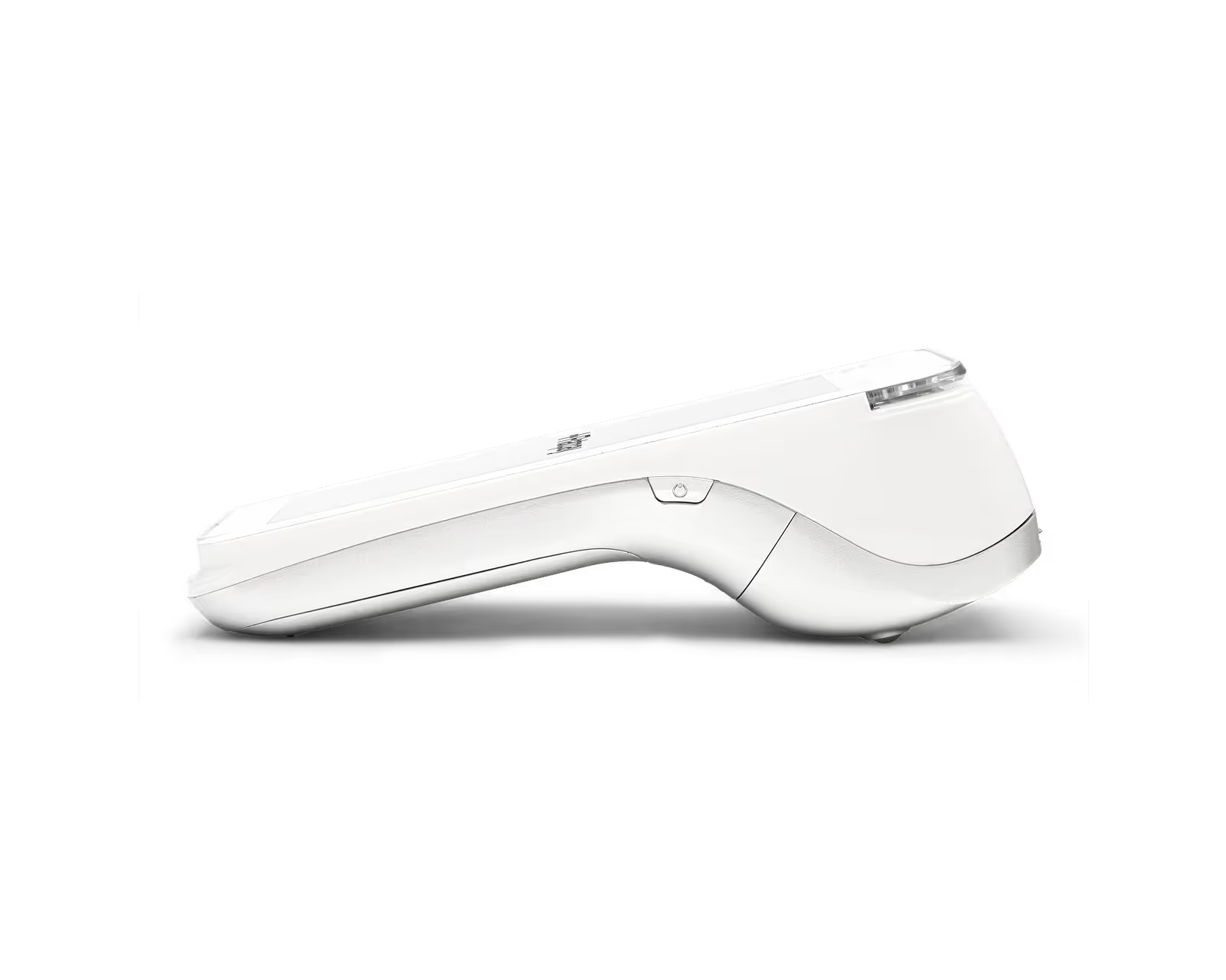
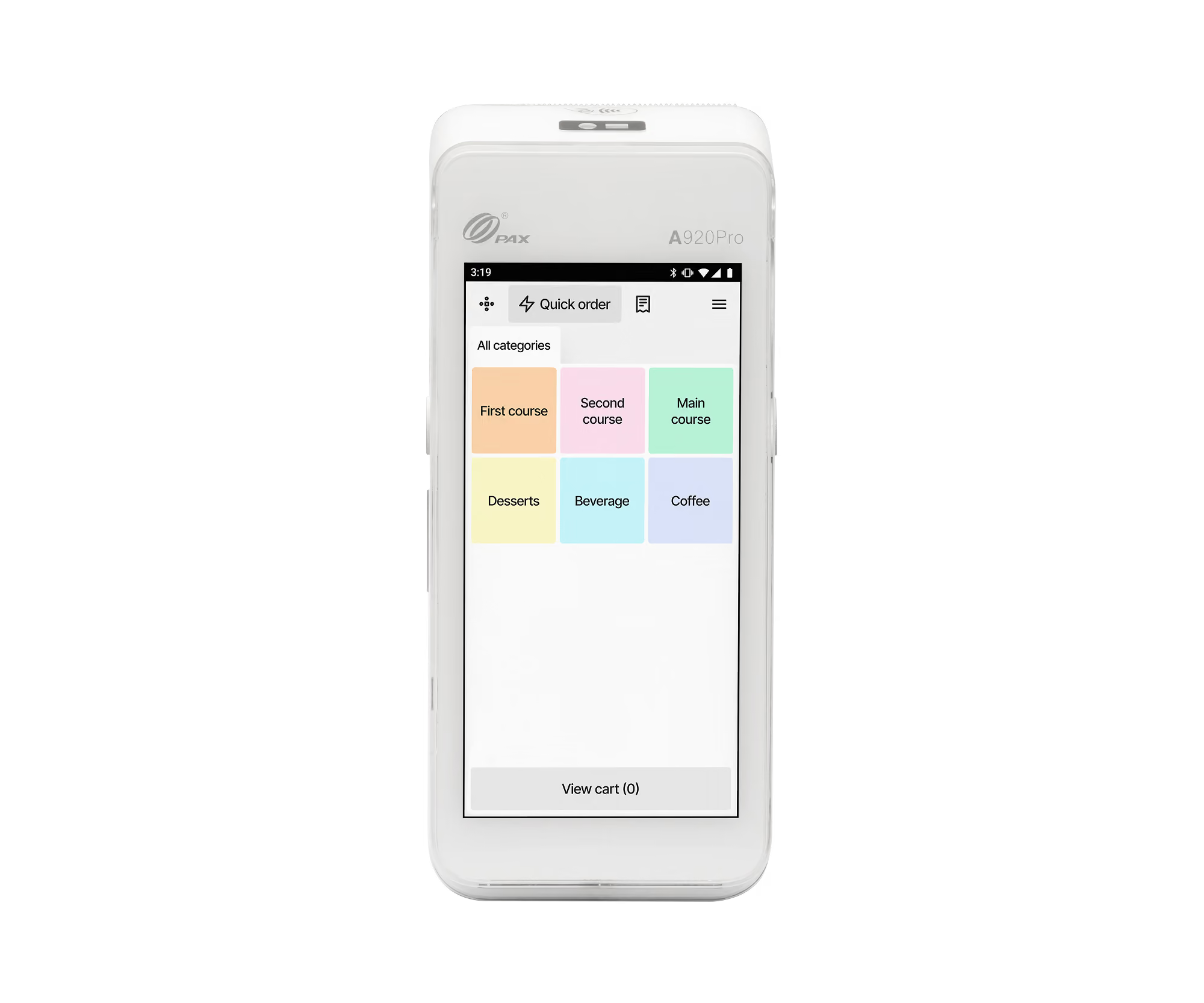
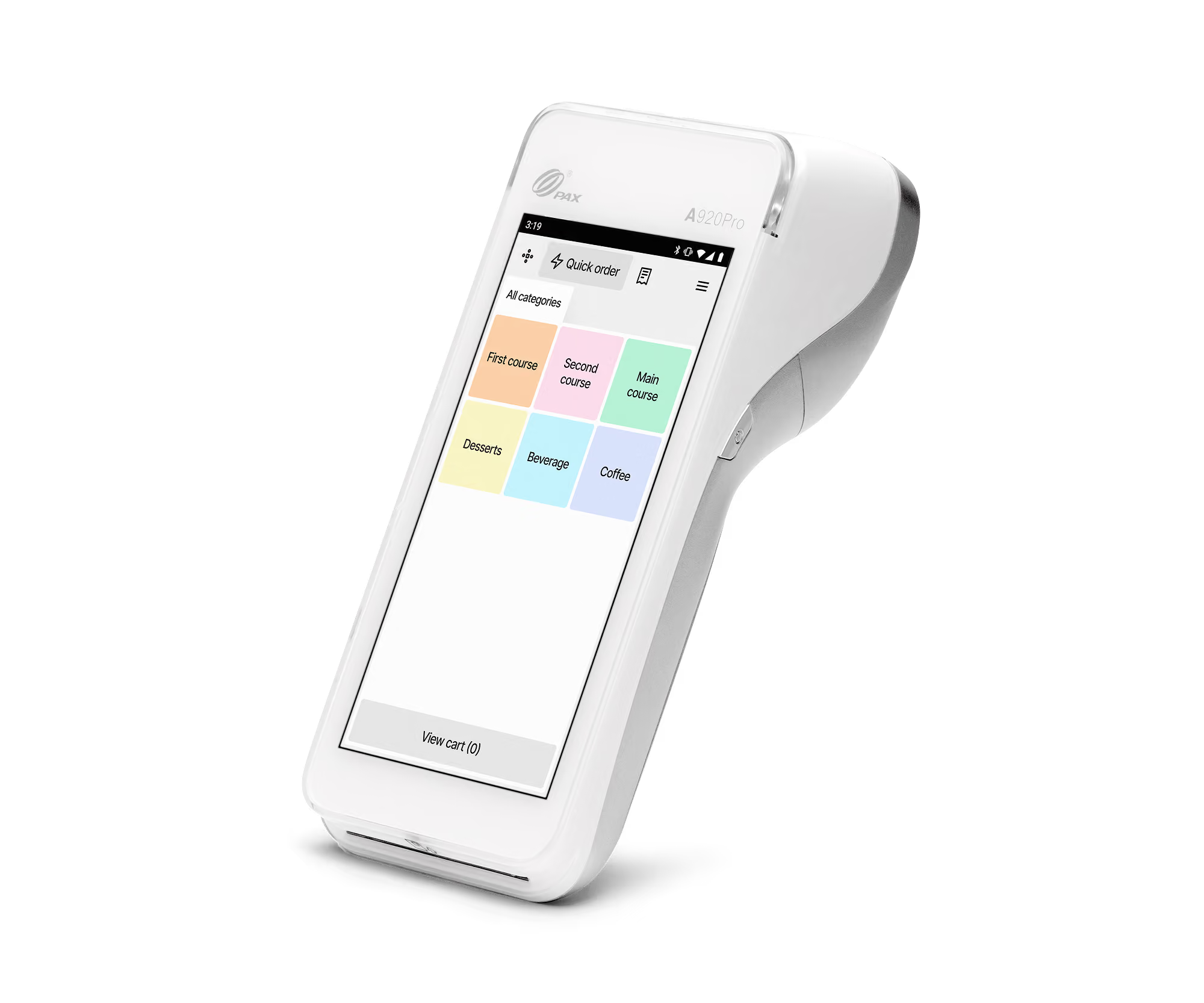
Keeping accurate financial records throughout the year can also make Corporation Tax reporting easier. Flatpay's POS system helps businesses track sales, manage transactions and generate reports. Read more about the system here.
Corporation Tax deadlines and filing
Corporation Tax has separate deadlines for paying what you owe and filing your Company Tax Return.
For most small companies:
- Pay Corporation Tax: usually 9 months and 1 day after the end of your accounting period.
- File your Company Tax Return: usually 12 months after the end of your accounting period.
That means the tax normally has to be paid before the return itself is due. Larger companies can be subject to different payment schedules.
For example, if your accounting period ends on 31 March, the normal Corporation Tax payment deadline would be 1 January, while the Company Tax Return would normally be due by 31 March.
If you're wondering when the corporation tax is due, check the end date of your own accounting period rather than relying on the personal tax year.
What do you need to file?
Your Company Tax Return includes:
- The CT600 form.
- Any relevant supplementary pages.
- Company accounts.
- Tax computations showing how you reached the taxable profit and Corporation Tax figures.
There has also been an important change to Corporation Tax return filing. HMRC's previous joint online service for filing company accounts and Company Tax Returns closed on 31 March 2026. From 1 April 2026, businesses generally need commercial software to file their Company Tax Return with HMRC.
For small businesses this change also highlights the importance of keeping accurate financial records throughout the year. Flatpay POS System’s services make it easier to keep information organized for your accountant.
Missing the deadlines can cost the business money. HMRC charges interest on late Corporation Tax payments, while late Company Tax Returns are subject to separate filing penalties. For returns with filing dates from 1 April 2026, the initial late filing penalty is £200, with a further £200 if the return is still outstanding after three months.
Corporation Tax vs other business taxes
Different business taxes cover different things for your business. In order for you to get a better overview, here are some of the main UK business taxes explained:
If your business is getting close to VAT registration, our guide to the VAT threshold explains when registration may be required. You can also read our guide to VAT numbers to understand what happens once a business is registered.
How to prepare for Corporation Tax as a small business
The easiest time to prepare for Corporation Tax is to keep all numbers, records and insights aligned throughout the year.
A few habits can make the process much easier:
- Keep business and personal finances separate. This makes it easier to see which income and costs belong to the company.
- Maintain accurate records. Good record keeping for corporation tax means keeping evidence of sales, expenses, invoices and other transactions rather than reconstructing them later.
- Know your accounting period. Put both the payment and filing deadlines in your calendar, remembering that they are different dates.
- Set money aside. Planning for the tax bill as the company generates profit can reduce the risk of a cash flow squeeze when payment falls due.
- Seek advice when you need it. An accountant can help determine taxable profit, allowable deductions and reliefs, particularly when dealing with corporation tax for new businesses.
Thinking about how to prepare for corporation tax early also gives you time to correct missing records or unclear transactions before they become a problem at year end.
Keeping your sales records organised with Flatpay
Preparing a Corporation Tax return requires more than your sales figures. Having a reliable record of what the business has sold gives you an important part of the overall picture.
With the Flatpay POS system, you can monitor sales and transactions and access reporting through the customer portal. Reports covering sales, transactions and payouts can also be downloaded and shared directly with your accountant or tax adviser.
When you keep that data organised throughout the year, you will spend less time piecing together sales figures when your accounts and Corporation Tax return need preparing. It also gives you a clearer view of business performance long before the filing deadline arrives.
FAQ
What is Corporation Tax in simple terms?
Corporation Tax is a tax that limited companies and certain other organisations pay on their taxable profits. The amount owed depends on the company's taxable profit and the rate that applies.
Do self-employed or sole traders pay Corporation Tax?
No. Sole traders do not normally pay Corporation Tax. They generally pay Income Tax on their business profits through Self Assessment. A limited company is taxed separately from its owners.
When is Corporation Tax due?
For most small companies, Corporation Tax is normally due 9 months and 1 day after the end of the accounting period. The Company Tax Return is usually due later, 12 months after the accounting period ends.
What happens if Corporation Tax is paid late?
HMRC charges late-payment interest when Corporation Tax is not paid by the deadline. Filing the Company Tax Return late is treated separately and can result in filing penalties.
Is Corporation Tax the same as VAT?
No. Corporation Tax is based on a company's taxable profits. VAT is a separate tax connected to taxable sales and purchases made by VAT-registered businesses, and it can apply regardless of whether the business is a sole trader, partnership or limited company.

Accepting payments for any business, anytime, anywhere
Three solutions designed to get you paid.


Getting paid starts here
Let us get you set up to accept card payments and manage orders in one place. Get started today and see how smooth running your business can be with Flatpay.

