
Looks like you're visiting from {country}...
Switch to our {language} site for local pricing and products
Merchant insights
What is a UTR number? A simple guide for UK businesses

IN THIS ARTICLE
This is a div block with a Webflow interaction that will be triggered when the heading is in the view.

If you're self-employed or setting up a business in the UK, a UTR number is one of the tax references you may need when dealing with HMRC.
UTR stands for Unique Taxpayer Reference. It's a 10-digit number HMRC uses to identify you or your business for tax purposes. You'll need it for tasks such as filing tax returns and managing your tax affairs.
In this guide, we'll explain what a UTR number is, how to get one, where to find it and when you might need it.
Key takeaways:
- A UTR is a 10-digit number HMRC uses to identify you or your business for tax purposes.
- You receive one when you register for Self Assessment or set up a limited company.
- Your personal UTR and your limited company's UTR are separate numbers.
- You can find your personal UTR in your HMRC online account, the HMRC app or previous tax documents.
- If you cannot find your UTR, you can contact HMRC for help.
What is a UTR number?
A UTR number is a unique 10-digit reference issued by HMRC to identify you or your business for tax purposes. Once issued, it normally stays the same, so you can use it whenever you need to file tax returns, manage your tax affairs or contact HMRC about your tax records.
Personal UTR vs company UTR: what's the difference?
If you're self-employed or work as a sole trader, your personal UTR identifies you as an individual when dealing with HMRC.
A limited company has its own separate UTR, which is used for its Corporation Tax affairs. This is different from the personal UTR of the person running the business.
You can have both if you run a limited company and are also registered for Self Assessment. Just make sure you use the right reference when dealing with your own tax affairs or those of your company.
UTR number vs company registration number
A UTR and a company registration number (CRN) identify your business for different purposes.
HMRC issues your UTR, which is used for tax matters such as filing Corporation Tax returns. Companies House issues your CRN when your company is incorporated. You'll use it for tasks such as filing annual accounts and confirmation statements.
If you run a limited company, you'll have both numbers. Keep them handy, as some processes require both, including completing your Company Tax Return. If you also file a personal Self Assessment return, you'll need your personal UTR rather than the company's.
What is a UTR number used for?
Your UTR helps HMRC identify you or your business when dealing with tax matters. You'll mainly need it when filing tax returns, managing your tax affairs or contacting HMRC about your tax records.
Self Assessment and tax returns
You'll need your personal UTR when completing your Self Assessment tax return. It helps HMRC match the return to the correct taxpayer, so it's worth knowing where to find it before the filing deadline.
If you run a limited company, the business has its own UTR for Corporation Tax purposes.
Registering as self-employed or starting a business
If you're setting up as a sole trader, you'll receive your UTR after registering for Self Assessment. Limited companies receive a separate UTR from HMRC after being registered with Companies House.
HMRC will usually send your UTR by post, so allow time for it to arrive before you need to file your first tax return.
If you're just getting started, our guide to registering a business in the UK explains the practical steps involved.
How do you get a UTR number?
You do not usually need to apply for a UTR separately. HMRC issues one when you register for Self Assessment or set up a limited company.
Registering with HMRC
If you're self-employed, you'll receive a personal UTR when you register for Self Assessment. If you set up a limited company through Companies House, HMRC will issue a separate UTR for the company.
You do not need to complete an additional application just to get the number. It is issued as part of the registration process.
How long does it take to receive one?
HMRC usually sends your UTR by post around 15 days after you register, although it can take longer if you live overseas.
For limited companies, HMRC advises requesting your company UTR if it has not arrived within 15 working days of registration.
It is worth allowing time for your UTR to arrive, especially if you need it for an upcoming tax return.
What happens if you don't receive your UTR number in time?
If your UTR hasn't arrived and your Self Assessment deadline is approaching, contact HMRC rather than waiting for it to turn up. You can also use HMRC's online service to check when you should expect a response.
HMRC usually sends your UTR around 15 days after registration, so make sure you allow enough time. If you miss your filing deadline, you could face a late filing penalty.
If you've registered late, check the filing deadline HMRC gives you. You may receive a later deadline for submitting your return, but the deadline for paying any tax you owe may still be earlier.
Where can you find your UTR number?
If you've already been issued a UTR, you can usually find it in your HMRC account or on previous tax documents.
Checking previous tax documents or your HMRC account
If you're looking for your personal UTR, you can find it:
- In your HMRC online account or the HMRC app.
- On previous Self Assessment tax returns.
- On letters from HMRC, including notices to file a return or payment reminders.
If you need your limited company's UTR, check previous Corporation Tax documents or letters from HMRC.
Still not able to find it? You can contact HMRC for help. If you've lost your company's UTR, you can also request a copy online, and HMRC will send it to the company's registered address.
Do you need a UTR number to accept payments in your business?
No. Your UTR is used for tax purposes, while accepting credit card payments requires a payment provider and a way for customers to pay. Depending on your provider, a merchant account may be part of that setup. Your provider may also ask for business or tax details during registration.
Once your business is registered, you'll also need to think about how customers will pay you and how you'll keep track of your sales.
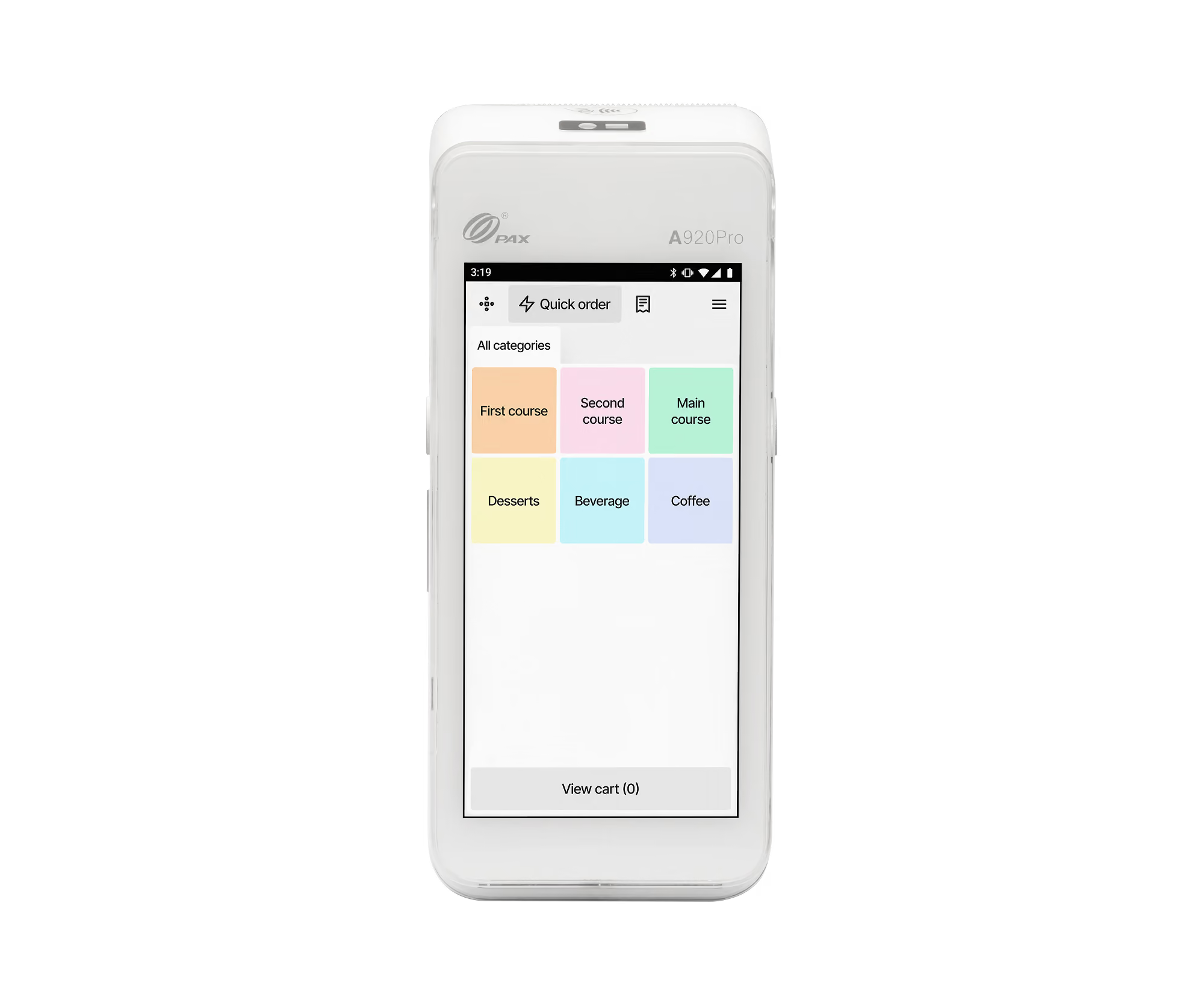
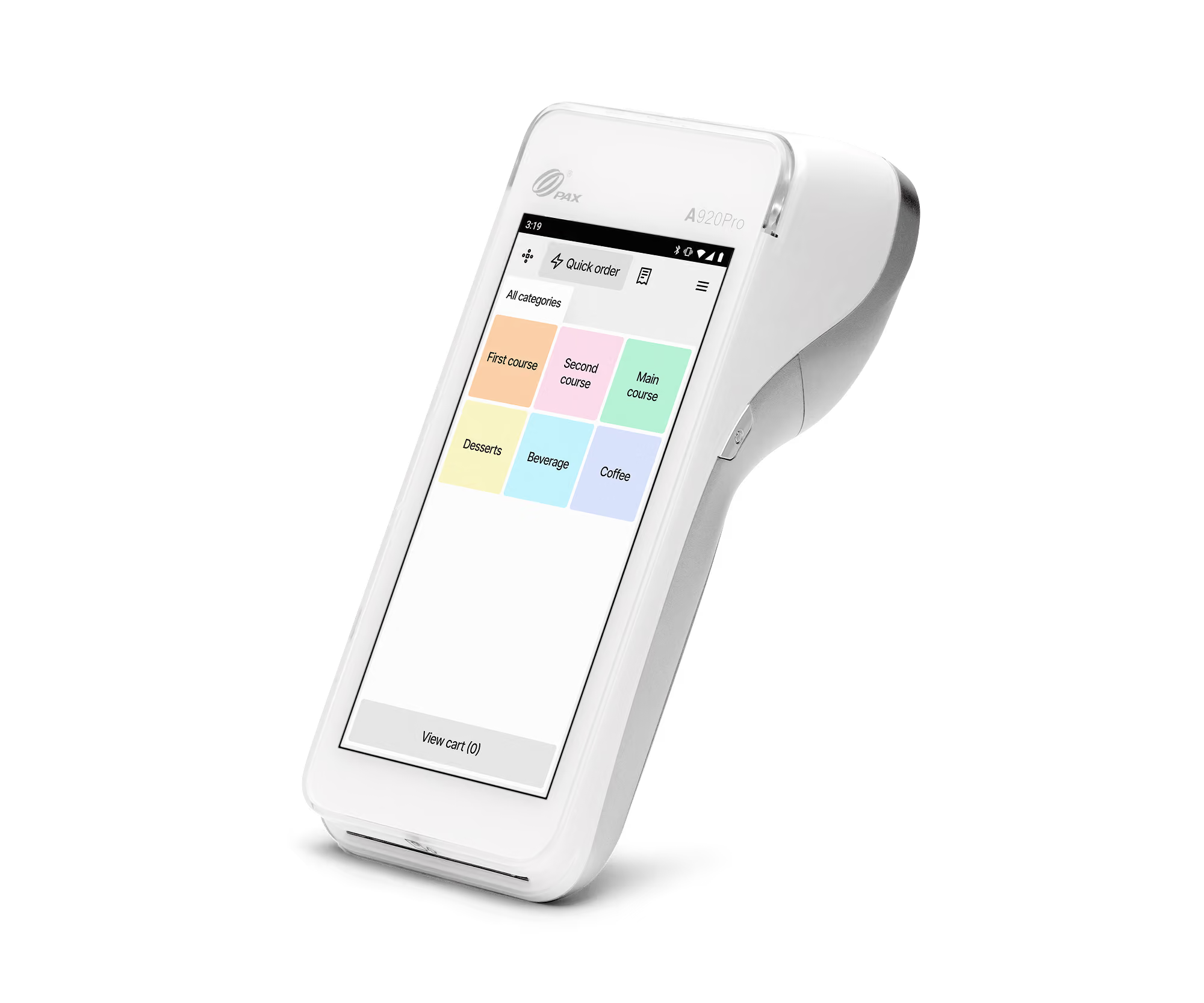
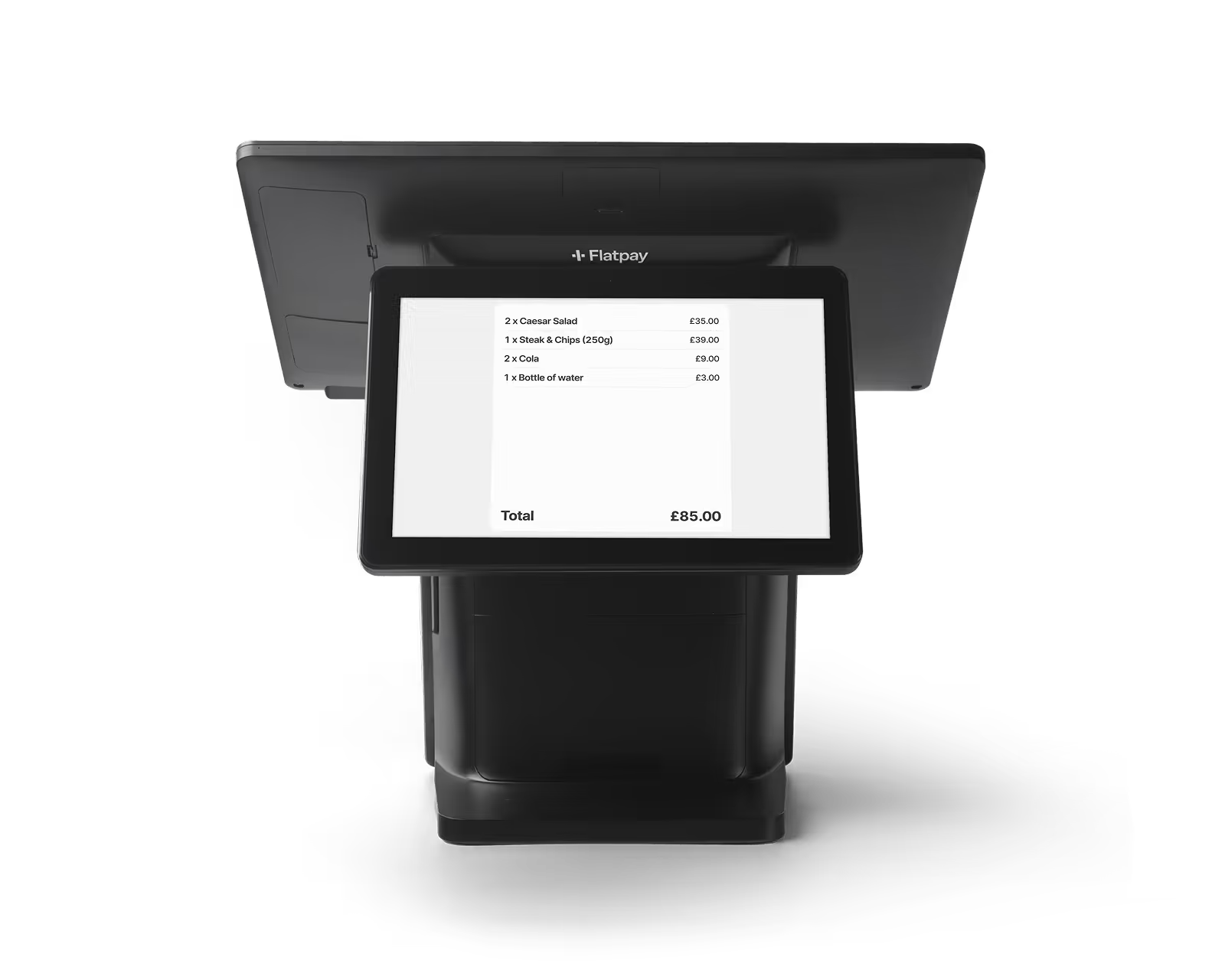
Flatpay's POS system brings card payments and everyday sales management together. You can take payments, manage products and access sales reports in one setup, giving you a clearer picture of how your business is performing. Keeping your sales records organised from the start can also make it easier to review your income and prepare information for your accountant.
Ready to get your payment setup sorted? Discover our POS system and learn more about how it could work for your business.
FAQ
What's the difference between a UTR number and a National Insurance number?
A National Insurance number makes sure your tax and National Insurance contributions are recorded against your name. A UTR is a separate reference HMRC uses to identify you or your business for tax purposes, particularly when dealing with Self Assessment or Corporation Tax.
Do limited companies need a UTR number?
Yes. A limited company receives its own UTR for Corporation Tax purposes. This is separate from any personal UTR held by its directors.
What happens if you lose your UTR number?
You can find your personal UTR in your HMRC online account, the HMRC app or previous tax documents. If you still cannot find it, contact HMRC for help.
For a limited company, you can request a copy online. HMRC will send it to the company's registered address.
Is a UTR number the same as a VAT number?
No. A UTR identifies you or your business for tax purposes, including Self Assessment and Corporation Tax. A VAT registration number is a separate reference issued when a business registers for VAT.


Accepting payments for any business, anytime, anywhere
Three solutions designed to get you paid.


Getting paid starts here
Let us get you set up to accept card payments and manage orders in one place. Get started today and see how smooth running your business can be with Flatpay.

