
Looks like you're visiting from {country}...
Switch to our {language} site for local pricing and products
Merchant insights
What is turnover? Definition, calculation, and why it matters
If you run a business, you’ve probably heard the term turnover used in conversations about sales, growth, and performance.

IN THIS ARTICLE
This is a div block with a Webflow interaction that will be triggered when the heading is in the view.
.avif)
But what does turnover actually mean? Is it the same as profit? And why does it matter for small businesses?
In this guide, we’ll explain what turnover is, how to calculate it, and how understanding your turnover can help you stay in control of your business.
Key takeaways:
- Turnover is the total revenue your business generates from sales before expenses are deducted.
- Turnover is different from profit. Turnover is the total revenue generated from sales before expenses, while profit is the money left after expenses are deducted.
- Tracking turnover helps businesses understand performance and growth.
- POS systems can help businesses monitor turnover in real time.
What is turnover?
Turnover is the total amount of money your business brings in from selling goods or services over a specified period of time. It’s also referred to as revenue, sales revenue, or gross revenue.
Importantly, turnover refers to income before expenses are deducted.
That means turnover does not show how much money your business keeps as profit. It only shows how much money comes into the business through sales.
For example:
- A café selling coffee and food
- A retail shop selling products
- A salon providing appointments and treatments
All generate turnover through customer sales.
Turnover example
Here’s a simple example of turnover.
Imagine a small coffee shop generates:
- £8,000 in January sales
- £9,500 in February sales
- £10,000 in March sales
The business’s turnover for the three-month period would be:
This figure reflects total sales – not profit.
Before calculating profit, the business still needs to deduct costs like:
- Rent
- Ingredients or stock
- Staffing
- Utilities
- Payment processing fees
Why turnover matters
Turnover gives businesses a clear view of sales performance.
For SMEs, it helps answer important everyday questions like:
- Is the business growing?
- Are sales improving?
- Which periods are busiest?
- Are promotions or seasonal campaigns working?
Tracking turnover regularly can help businesses make better operational decisions.
It helps you understand performance
Turnover trends can show whether sales are increasing, slowing down, or staying stable.
For example:
- A retailer might compare turnover month to month
- A restaurant might track turnover during busy weekend periods
- A café might monitor seasonal changes throughout the year
This visibility helps businesses plan more confidently.
It supports better planning
Understanding turnover makes it easier to plan for:
- Staffing levels
- Inventory and stock ordering
- Cash flow
- Expansion decisions
Without clear sales visibility, planning becomes much harder.
It’s often used by lenders and suppliers
Banks, lenders, landlords, and suppliers may ask about turnover when assessing your business.
That’s because turnover helps indicate the scale and activity level of a business.
How to calculate turnover
The turnover formula is simple:
Turnover = Total sales revenue
For product-based businesses:
Number of sales × sale price
For service businesses:
Number of services provided × service price
Example:
If a salon completes 200 appointments, and the average appointment value is £45, the turnover would be:
Turnover vs profit – what’s the difference?
Turnover and profit are closely related, but they’re not the same thing.
Turnover is the total revenue generated from sales before expenses.
Profit is the money left after business expenses are deducted.
Example:
A retail shop generates £50,000 turnover, but also has:
- £20,000 stock costs
- £10,000 rent
- £8,000 staffing costs
- £2,000 other expenses
When everything is added up, that leaves £10,000 profit.
A business can have high turnover but still low profit if costs are too high. That’s why understanding both figures matters.
You might also be interested in: Operating profit explained: What is it, and how is it calculated?
Reporting turnover and tracking sales performance
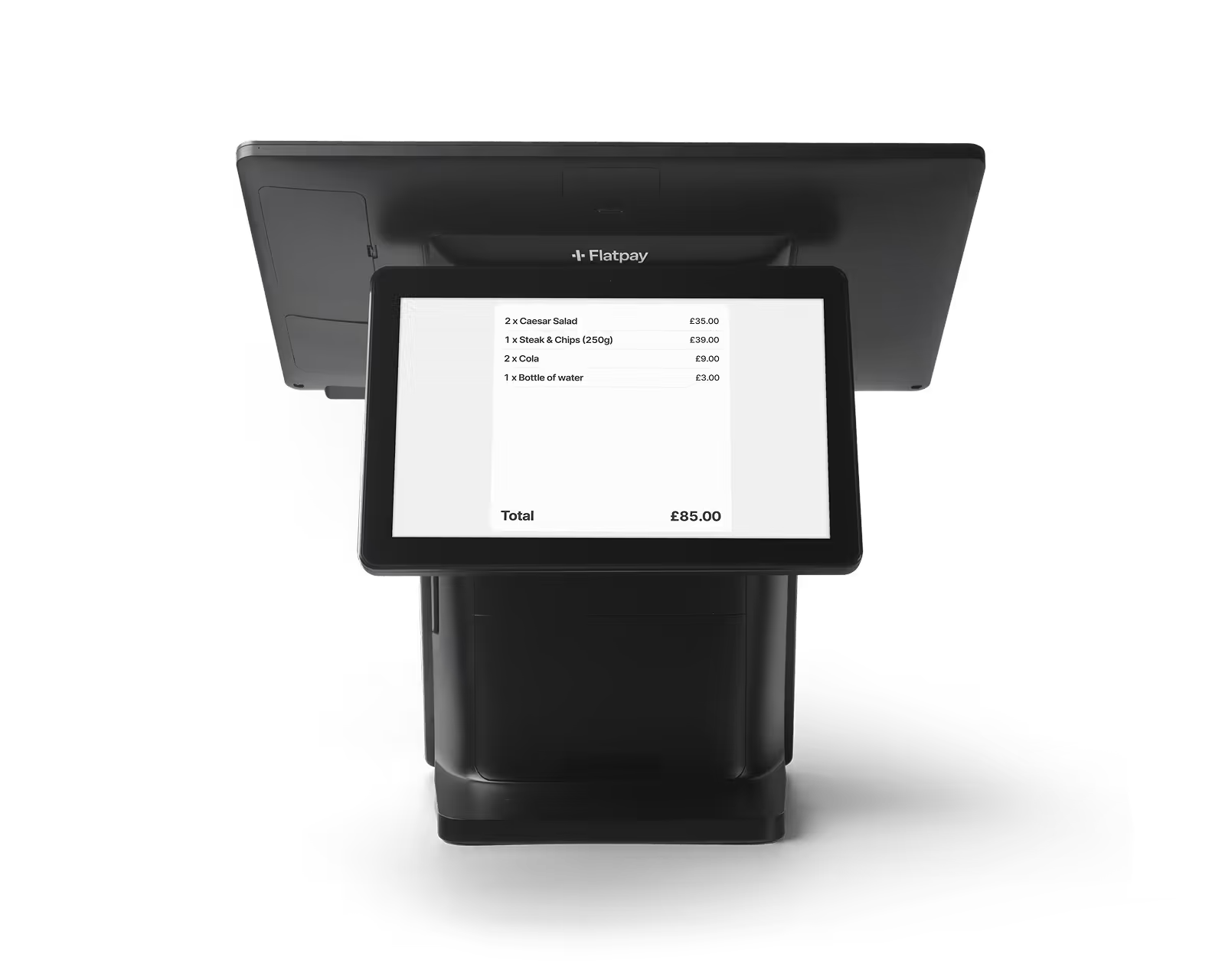
For many SMEs, manually updating reports and tracking sales can quickly become time-consuming. A modern POS system helps automate much of this process by recording sales in real time and generating reports automatically.
That means you can easily track:
- Daily, weekly, and monthly turnover
- Best-selling products or services
- Peak sales periods
- Overall sales performance
Instead of manually calculating figures, everything is organised in one place and updated automatically as sales happen.
This gives businesses clearer visibility of how they’re performing day to day, making it easier to stay organised, spot trends, and make informed decisions.
For businesses managing stock as well as sales, inventory tracking can also help reduce waste, avoid shortages, and improve profitability over time.
Common questions about turnover
Is turnover the same as profit?
No. Turnover is total sales revenue before expenses, while profit is what remains after costs are deducted.
What does annual turnover mean?
Annual turnover is the total revenue a business generates over a full financial year.
Is higher turnover always better?
Not necessarily. Higher turnover can be positive, but profitability matters too. If costs rise alongside sales, profit may not improve.
Do small businesses need to track turnover?
Yes. Even small businesses benefit from understanding sales performance, cash flow, and growth trends.
Can a POS system calculate turnover automatically?
Yes! Most modern POS systems automatically track sales and generate turnover reports in real time.
A clearer way to stay on top of your business
Turnover is one of the clearest ways to understand how your business is performing day to day.
The easier it is to track sales, monitor performance, and access reports, the easier it becomes to stay organised and make informed decisions.
Flatpay helps businesses simplify day-to-day operations with:
- No monthly fees
- Clear reporting tools
- Fast payments and POS systems
- One simple, flat transaction rate
Flatpay’s payment and POS solutions are built for real-world business workflows. That way, you get a clearer view of your business – without unnecessary complexity.
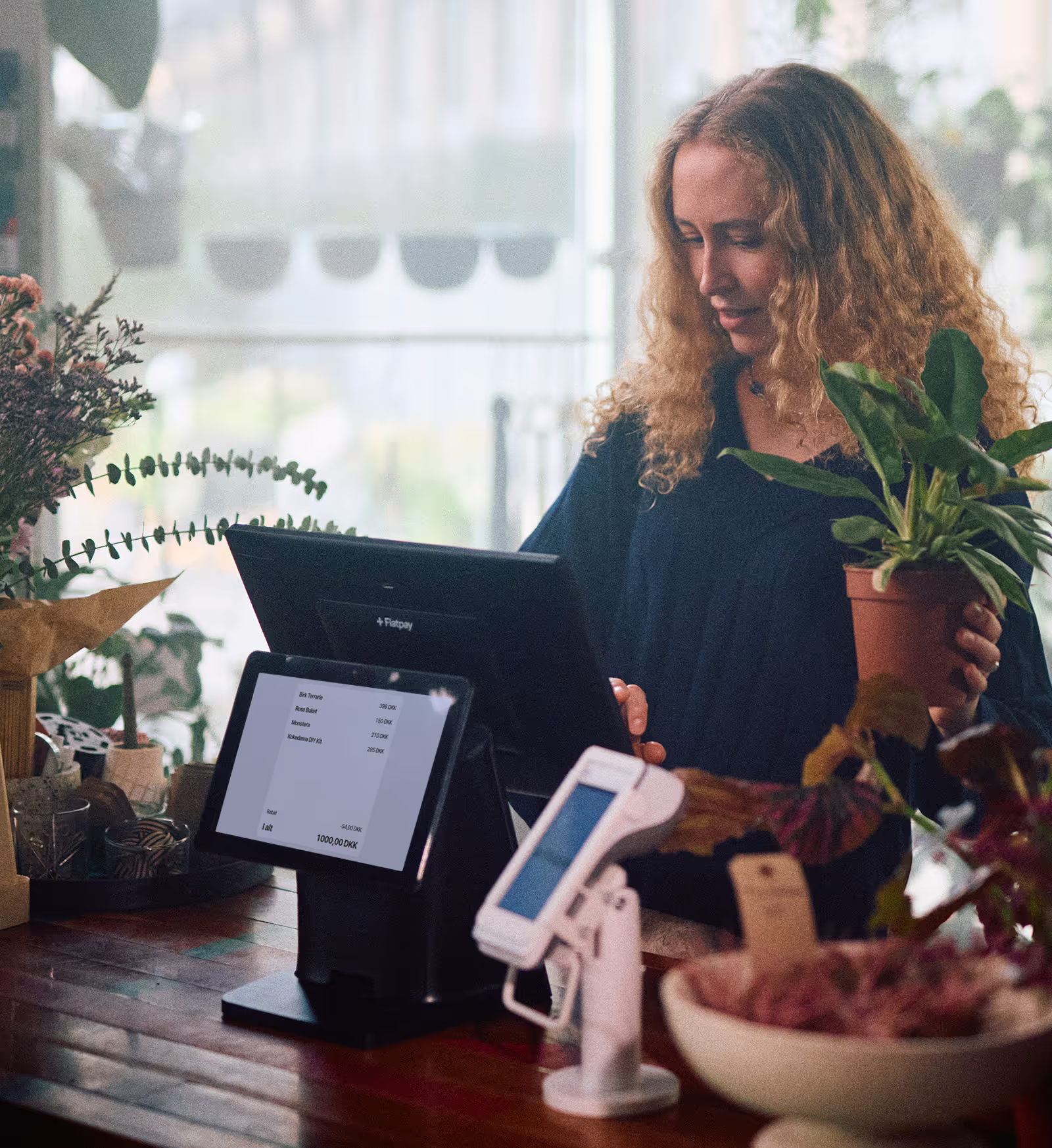


Accepting payments for any business, anytime, anywhere
Two solutions designed to get you paid.

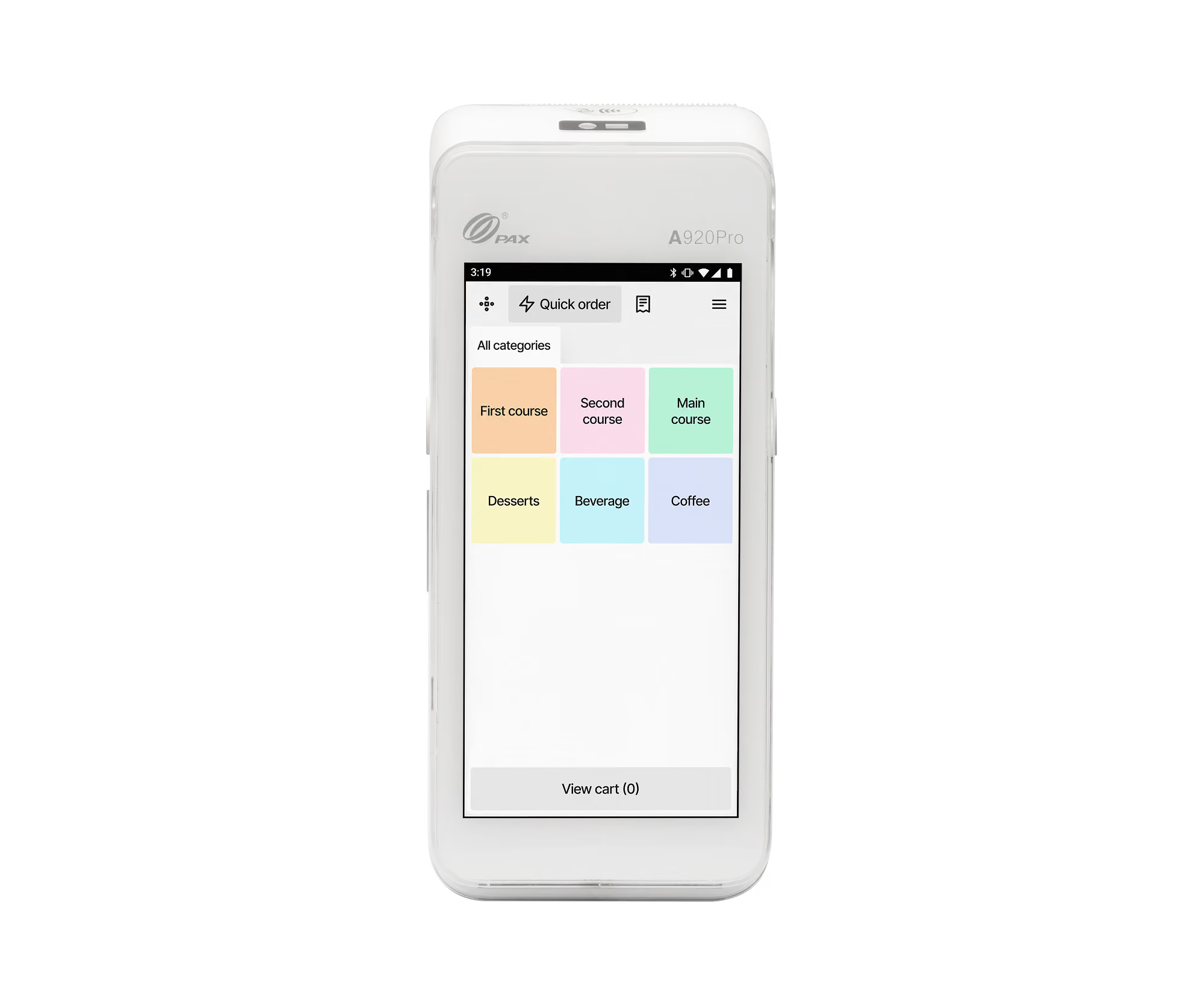
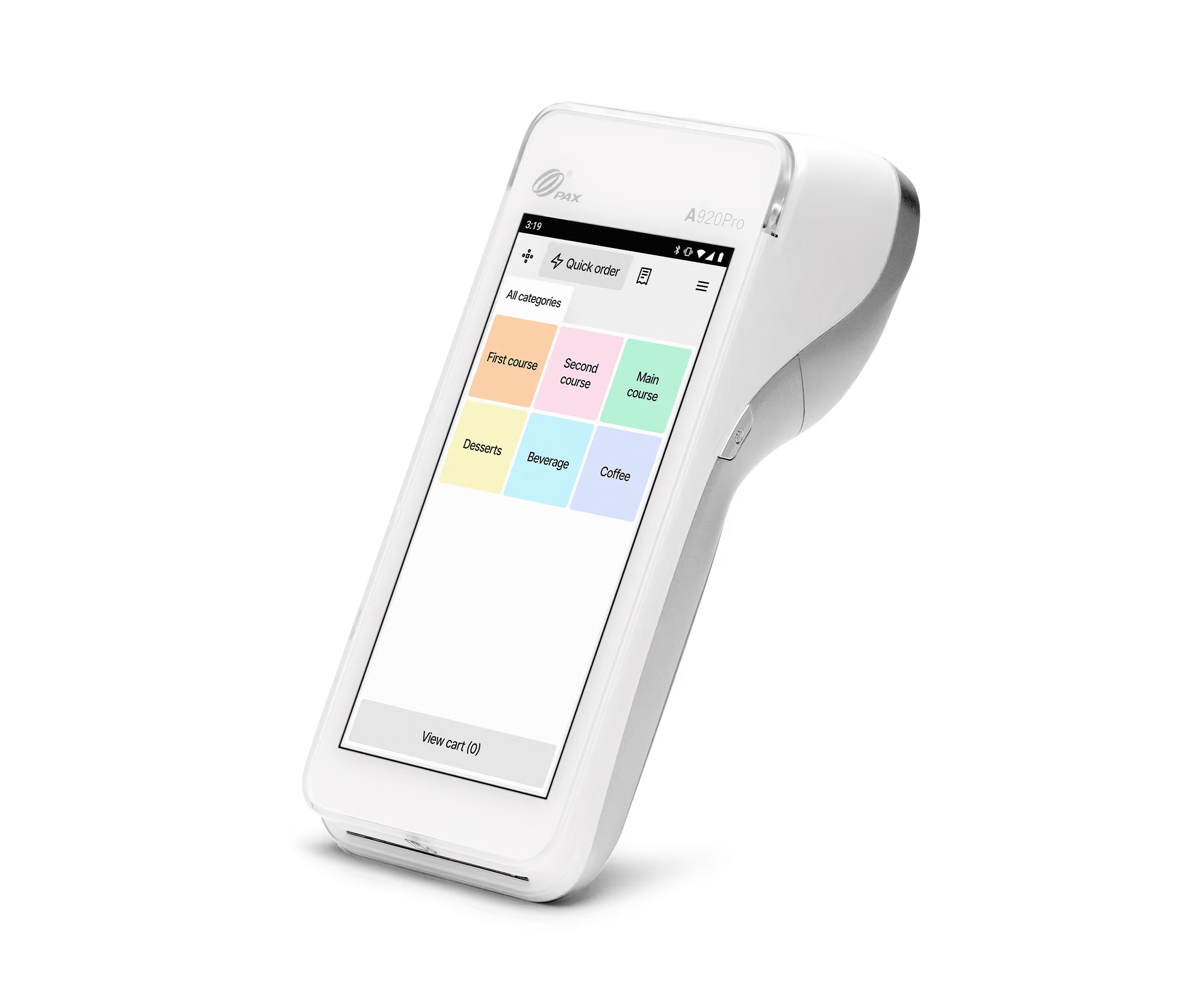

Getting paid starts here
Let us get you set up to accept card payments and manage orders in one place. Get started today and see how smooth running your business can be with Flatpay.

