
Looks like you're visiting from {country}...
Switch to our {language} site for local pricing and products
Merchant insights
What is an SME? Meaning, definition, and UK examples
You’ll often hear the term SME when talking about businesses in the UK. But what does it actually mean – and does it apply to your business?
IN THIS ARTICLE
This is a div block with a Webflow interaction that will be triggered when the heading is in the view.
.avif)
In this guide, we’ll explain what an SME is, how it’s defined in the UK, and what it looks like in practice for everyday businesses like shops, cafés, and service providers.
Key takeaways:
- SME stands for small and medium-sized enterprise – any UK business with fewer than 250 employees.
- SMEs make up around 99.85% of all UK businesses, including most shops, cafés, and service providers.
- Running an SME often means balancing time, costs, staff, and day-to-day operations.
- Simple, reliable tools help SMEs stay in control, save time, and keep things running smoothly.
What does SME stand for?
SME stands for small and medium-sized enterprise. It’s a way of grouping businesses based on their size, usually measured by number of employees and sometimes turnover.
Put simply, an SME is any business that isn’t considered ‘large’.
For most owner-led businesses, it’s straightforward: if you’re running a shop, restaurant, salon, or similar operation, you’re almost certainly an SME.
What is an SME in the UK?
In the UK, SMEs are defined based on the number of employees:
- Small businesses: 0–49 employees
- Medium-sized businesses: 50–249 employees
- Large businesses: 250+ employees
So, if your business has fewer than 250 employees, it falls under the SME category.
This definition is widely used by the UK government, lenders, and service providers when talking about business support, funding, and regulation.
How many SMEs are there in the UK?
SMEs make up the vast majority of businesses in the UK.
According to the latest government data (2025):
- 5.64 million small businesses (0–49 employees) → 99.18% of all UK businesses
- 38,435 medium-sized businesses (50–249 employees) → 0.67% of all UK businesses
- 8,335 large businesses (250+ employees) → 0.15% of all UK businesses
Overall, SMEs account for around 99.85% of the UK business population. In other words, almost every business you interact with day to day is an SME.
Examples of SMEs
SMEs aren’t a specific type of business – they exist across every industry.
Here are some typical examples of SMEs:
Retail
- Independent shops and boutiques
- Convenience stores
- Local chains with a few locations
Food and drink
- Cafés and coffee shops
- Restaurants and takeaways
- Pubs and bars
Service businesses
- Hairdressers and barber shops
- Beauty salons and clinics
- Tradespeople (plumbers, electricians, etc.)
What these businesses have in common is scale: they’re typically owner-led or run by small teams, with a strong focus on day-to-day operations.
You might also be interested in: Inventory management explained: What it is and why it matters
Why SMEs matter in the UK economy
SMEs aren’t just common – they’re an essential part of the UK economy.
They:
- Drive local economies
- Create jobs
- Support communities
- Bring diversity and competition to markets
Because there are so many SMEs, small improvements in how they operate – like saving time, reducing costs, and improving efficiency – can have a big overall impact.
What challenges do SMEs face?
Running an SME often means wearing multiple hats. You’re not just the owner – you’re often involved in everything from day-to-day operations to decision-making and problem-solving.
Common challenges include:
Time pressure
You’re managing staff, serving customers, handling admin, and keeping things running – often at the same time. There’s limited time to step back, so systems need to work efficiently without adding extra tasks or complexity.
Cost control
Every expense has an impact. Fixed monthly fees, unexpected charges, or unclear pricing can quickly add up. That’s why predictable, transparent costs are easier to manage and plan around.
Busy periods
Your setup needs to perform when it matters most. Whether it’s a lunchtime rush or a weekend surge, slow systems or delays can affect both service and revenue.
Staying in control
You need a clear view of how your business is performing. That means knowing what’s selling, how your day is going, and where you stand, without having to dig through multiple systems or reports.
For SMEs, these are practical, everyday challenges. The right tools can help you solve them – and make it easier to run your business.
Choosing the right tools for your SME
Whether you run a café, shop, or service business, the goal is the same: keep things running smoothly day to day.
That’s why many SMEs look for solutions that are:
- Easy to get started with
- Built for real-world use
- Transparent on cost
- Supported when something goes wrong
It’s less about having the most features and more about having the right ones.
A simpler way to run payments for SMEs
From independent retailers to busy restaurants and local service providers, SMEs are what keep the economy moving.
If you’re running one, you already know the focus: keep things simple, stay in control, and make sure everything works when it needs to. That’s especially true when it comes to payments.
Flatpay is built for small and medium-sized businesses:
- No monthly fees
- No hidden charges
- One simple, flat transaction rate
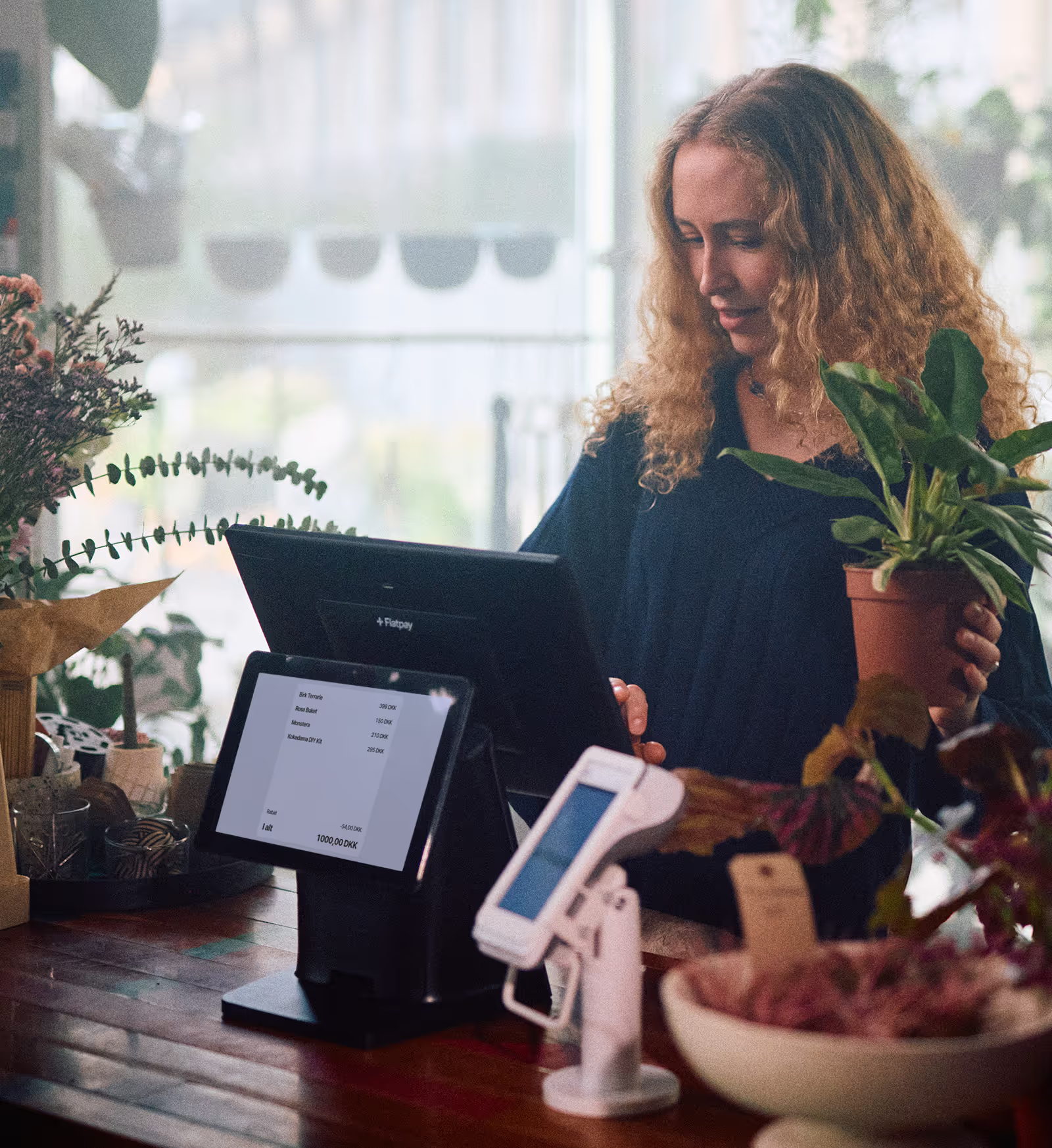
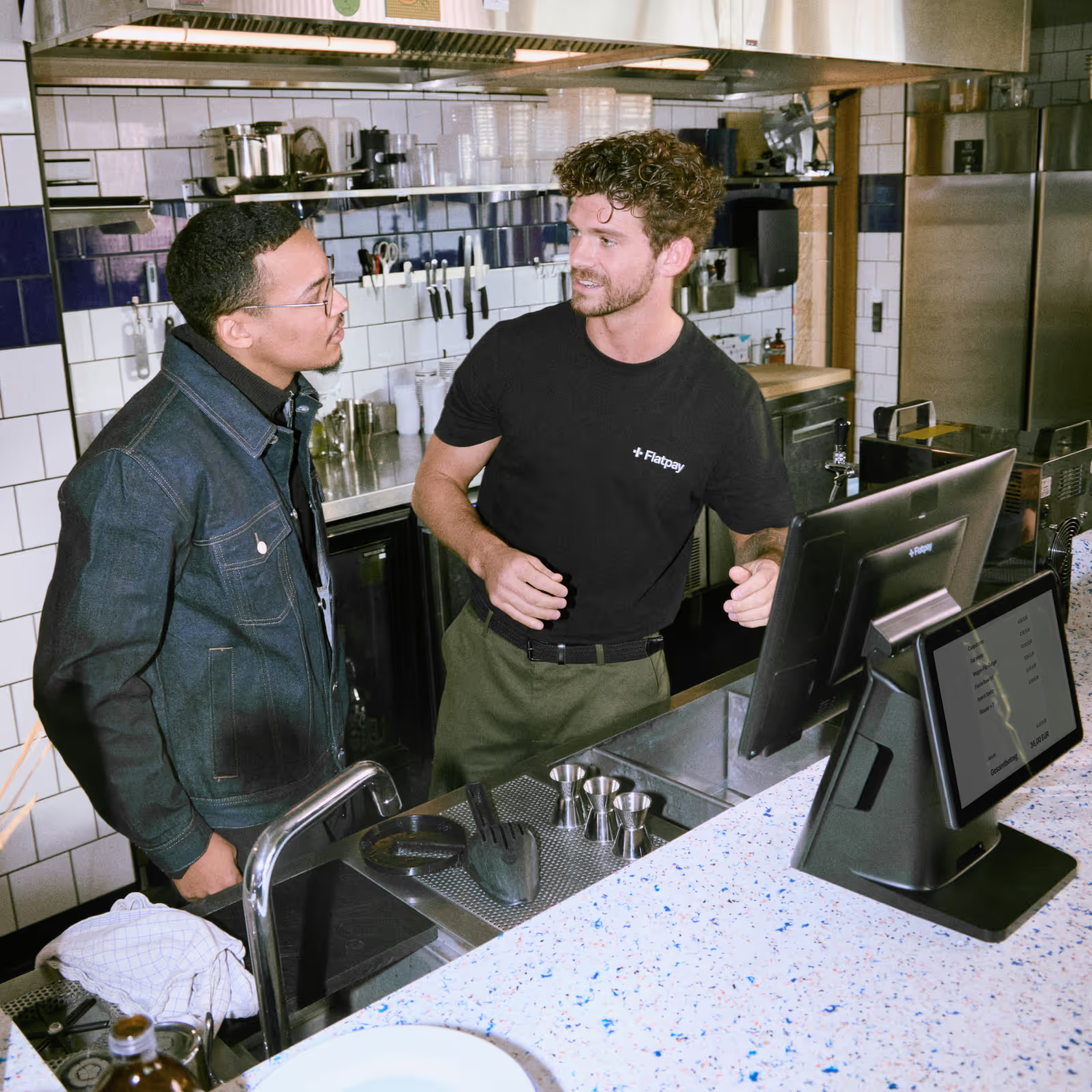
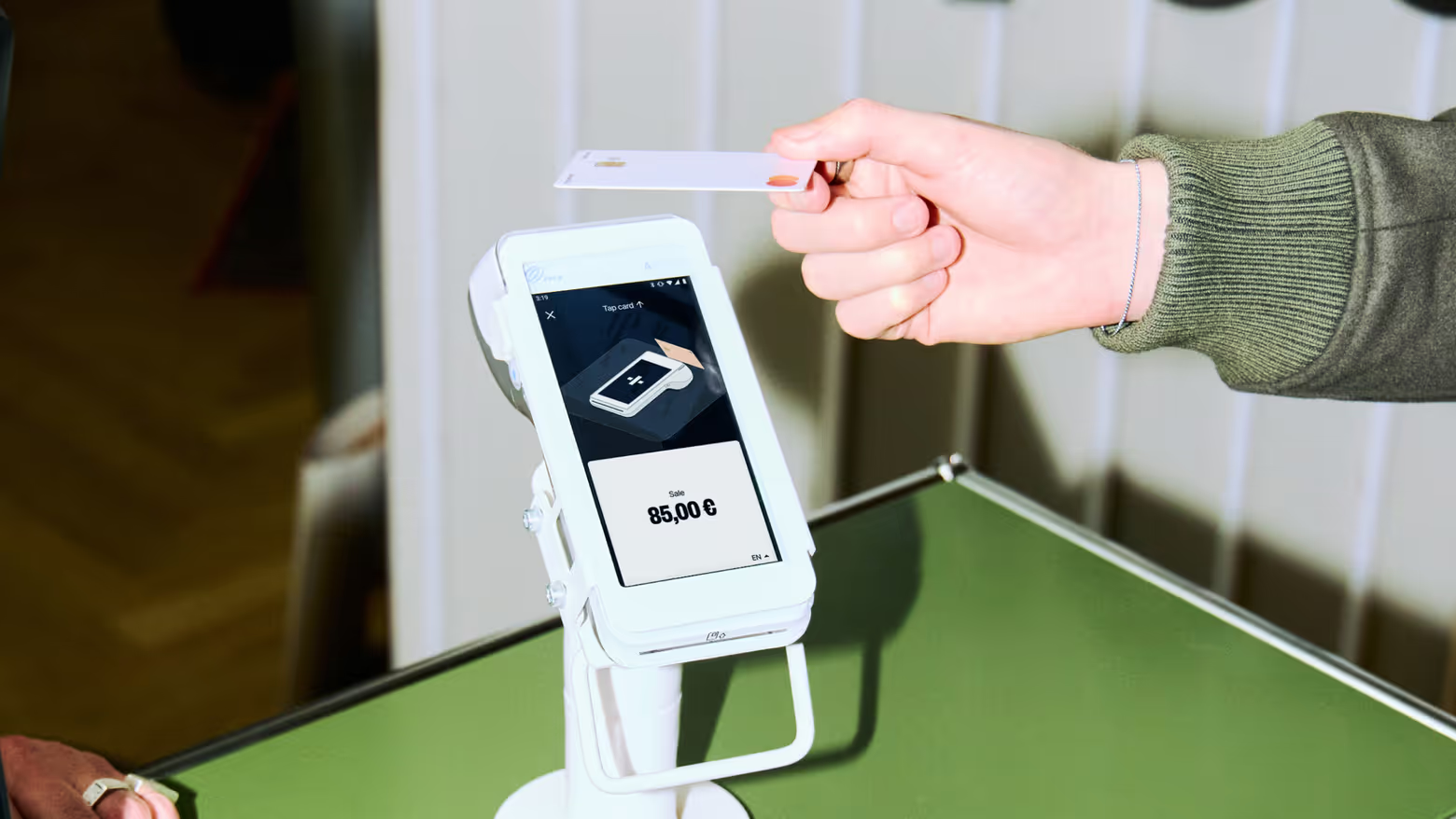
With Flatpay, you get a payment setup that’s easy to understand and built for day-to-day use.Spend less time thinking about payments – and more time running your business.
Accepting payments for any business, anytime, anywhere
Two solutions designed to get you paid.

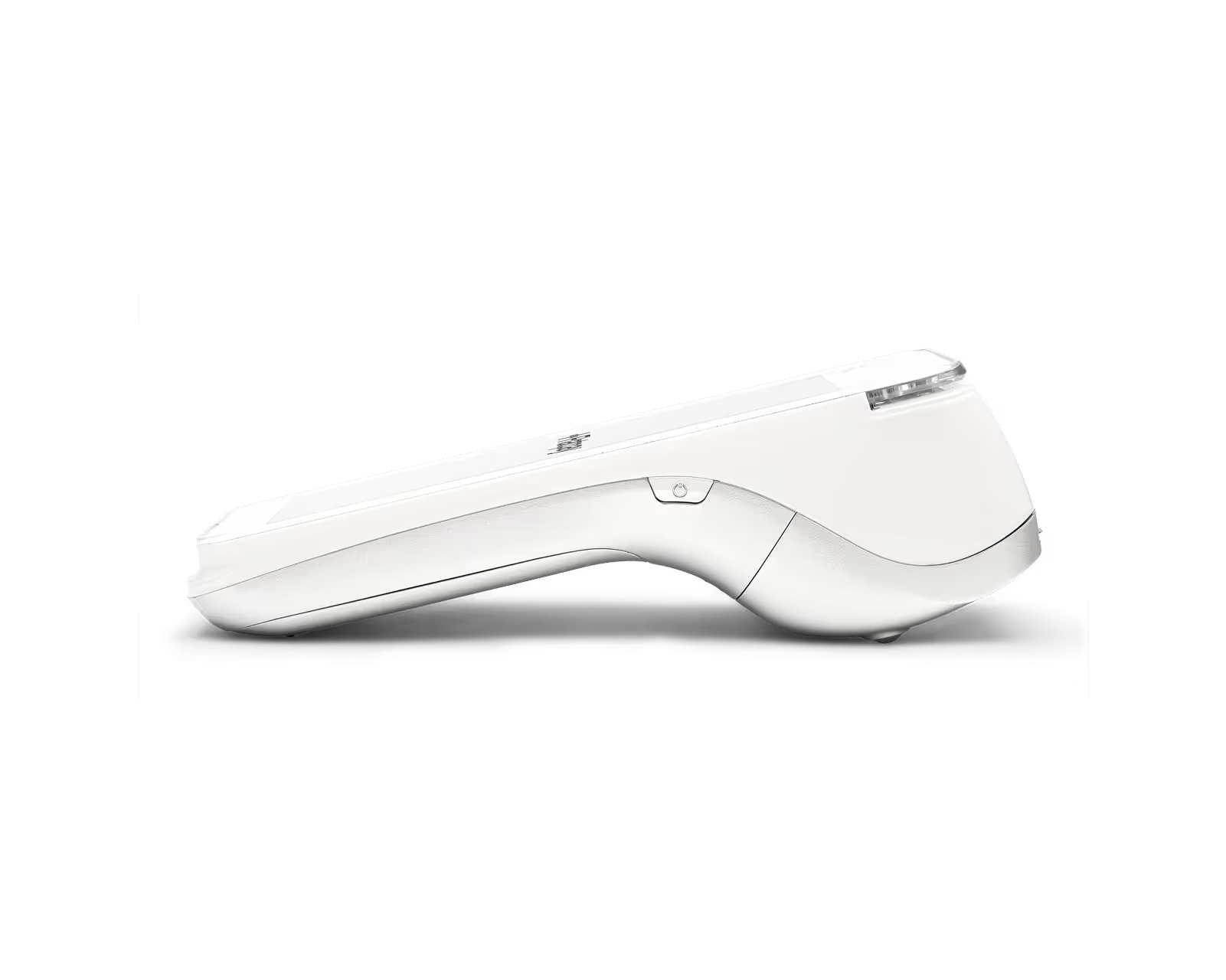
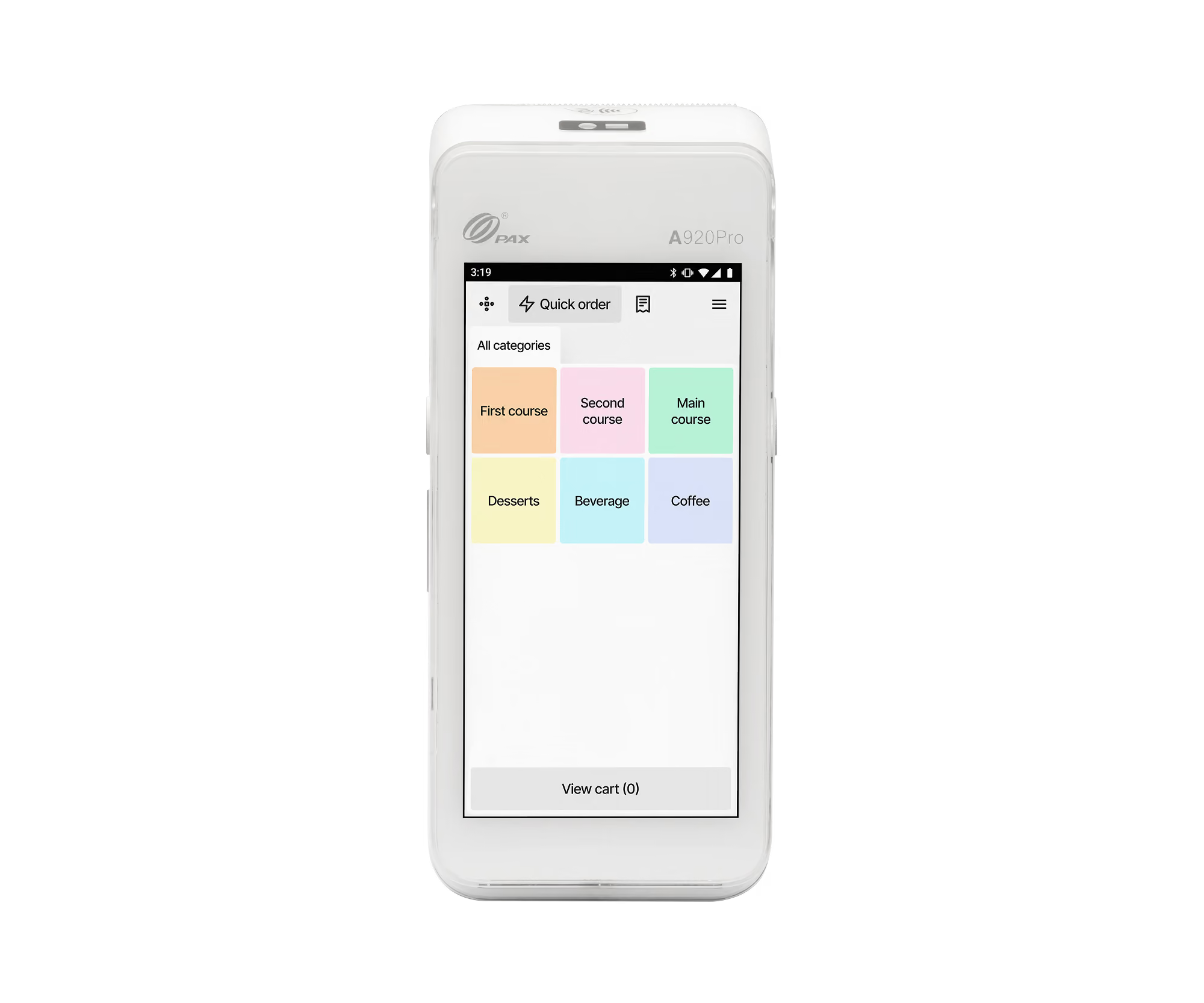
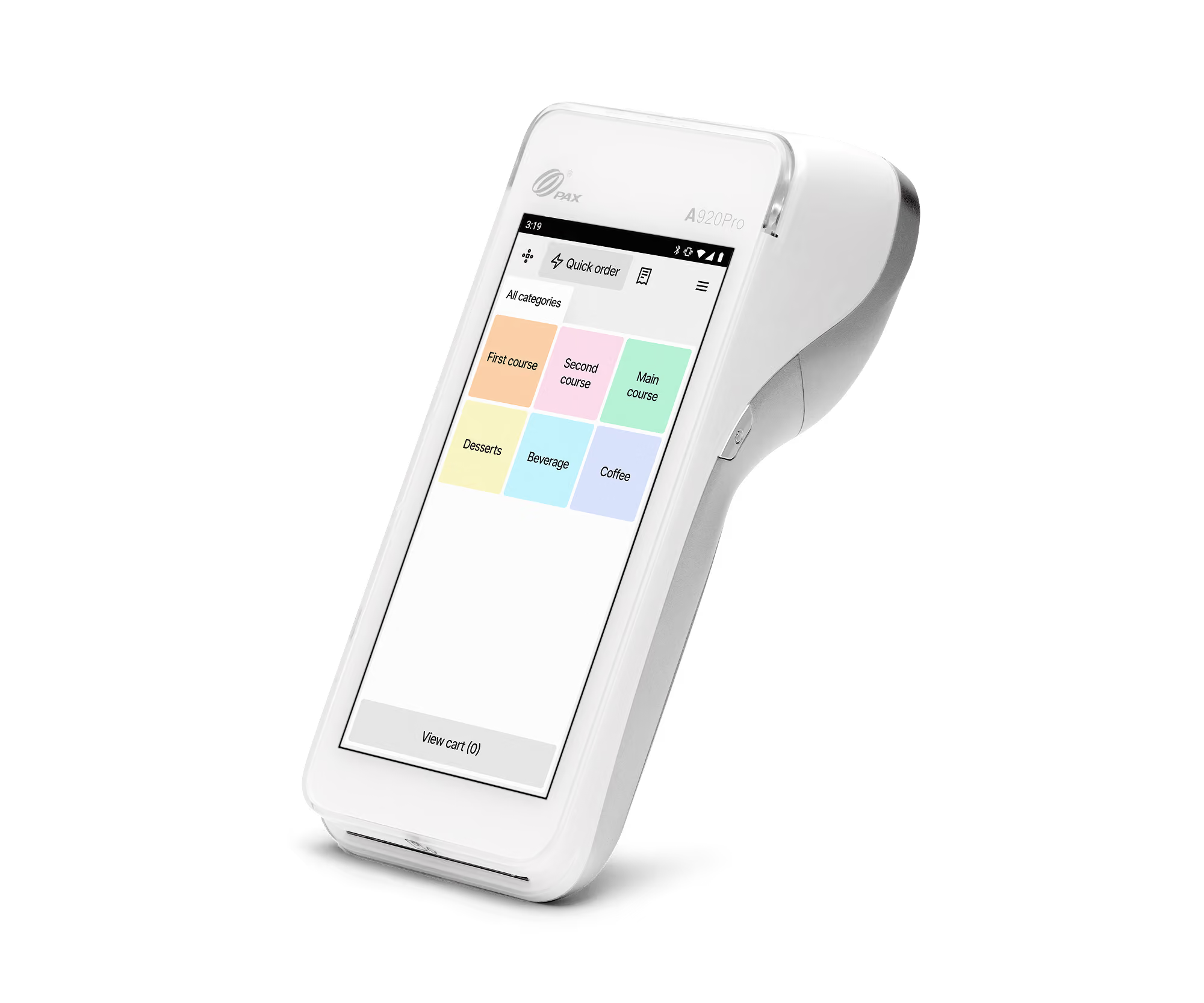
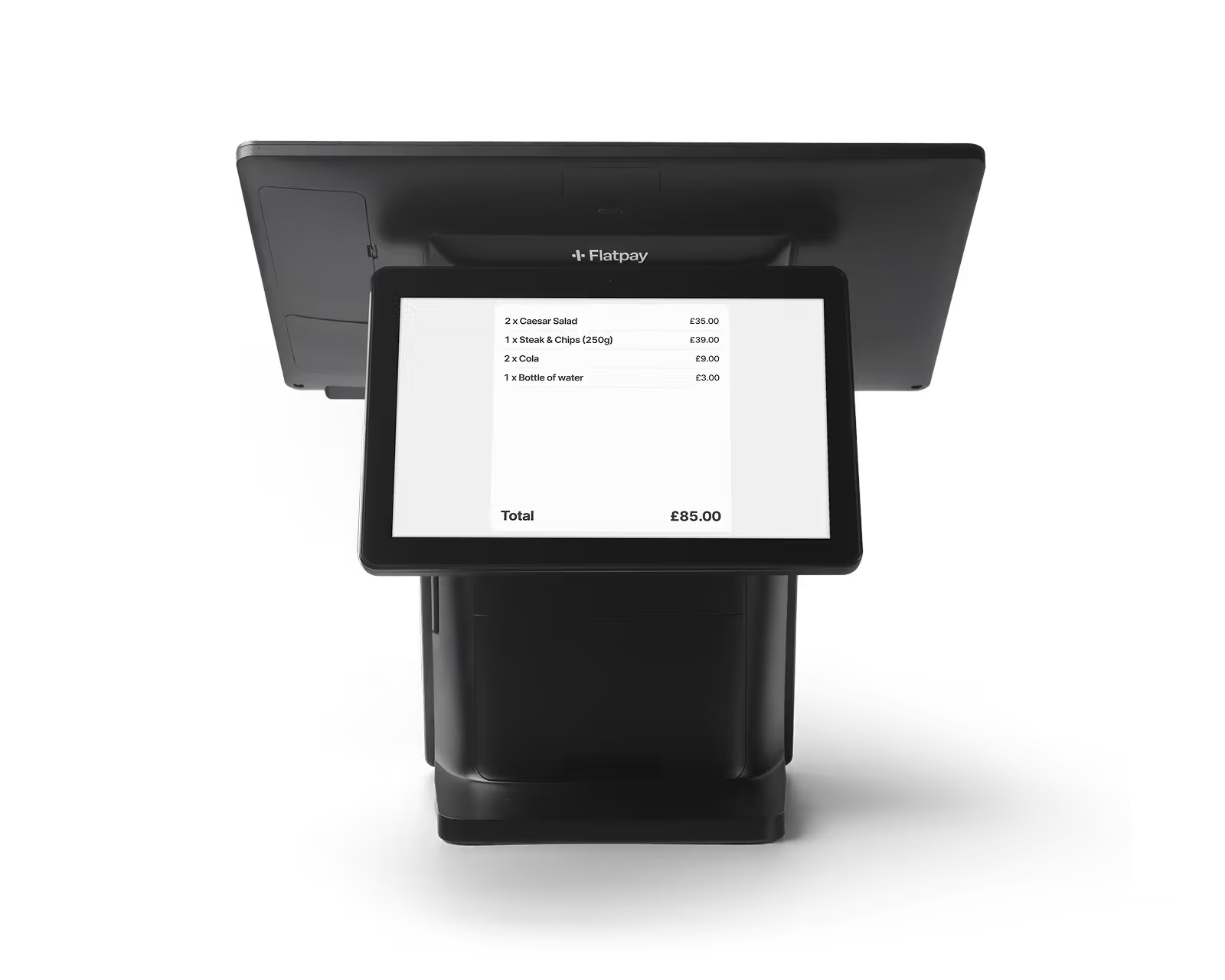

Getting paid starts here
Let us get you set up to accept card payments and manage orders in one place. Get started today and see how smooth running your business can be with Flatpay.

