
Looks like you're visiting from {country}...
Switch to our {language} site for local pricing and products
Merchant insights
What does MP mean on a menu? A simple guide for restaurant owners

IN THIS ARTICLE
This is a div block with a Webflow interaction that will be triggered when the heading is in the view.

Spotted "MP" next to a dish on a restaurant menu? It stands for market price, which means the price can change depending on the cost and availability of ingredients.
Restaurants often use MP for dishes such as fresh seafood, where ingredient prices can vary from day to day or season to season. But how should you explain it to customers, and when does it make sense to use it on your own menu?
In this guide we cover what MP means, which dishes it applies to and how to communicate market pricing clearly so customers know what to expect.
Key takeaways:
- MP stands for market price, meaning the price of a dish can vary based on current ingredient costs and availability.
- It's commonly used for lobster, oysters, fresh fish and certain seasonal or premium ingredients.
- Market pricing gives restaurants flexibility when ingredient costs fluctuate, without having to update printed menus constantly.
- Customers should be able to find out the current price before ordering, so make sure your staff can explain it clearly.
- Use MP selectively. Clear pricing helps customers feel confident about what they're ordering and what they'll pay.
What does "MP" or "market price" mean on a menu?
MP stands for market price. It means the dish doesn't have a fixed price on the menu because the cost of its main ingredient can vary depending on availability, season and supplier prices.
For example, a restaurant might charge a different price for fresh lobster this week than it did last week. If you're using MP on your own menu, make sure the current price is easy for customers to find out before they order, whether that's displayed clearly or explained by your staff.
Dishes that typically carry an MP label
Market pricing is most common for dishes made with ingredients whose cost or availability can change throughout the year. You'll often see MP next to:
- Oysters: Prices can vary depending on the variety, season and supplier. Restaurants may price them individually or by the half-dozen.
- Lobster: The cost can change with availability, size and supplier prices, making it a common choice for market pricing.
- Fresh fish specials: The type of fish and its cost may vary depending on the day's catch and what's available from suppliers.
- Crab and other shellfish: Prices can fluctuate with seasonal availability and market conditions.
- Premium cuts of meat: Some restaurants use MP for speciality steaks or other cuts where the price depends on availability, weight or supplier costs.
Market pricing works best when there's a clear reason why a fixed price would be difficult to maintain. If an ingredient's cost is relatively stable, a fixed menu price may be easier for customers to understand and for your staff to communicate.
Before deciding which dishes need market pricing, it helps to understand your cost of goods sold (COGS). When you know how much your ingredients cost, it is easier to identify where fluctuating prices could affect your margins.
Why restaurants mark dishes as "MP" instead of a fixed price
Ingredient costs can change quickly, particularly for fresh seafood and seasonal produce. When a restaurant lists a fixed price, an unexpected increase in supplier costs can reduce the profit it makes on that dish.
Market pricing gives restaurants the flexibility to adjust what they charge without constantly updating their printed menus. This helps them account for changing ingredient costs while maintaining a price that also covers preparation, staff and other operating expenses.
However, MP should still be used thoughtfully. Restaurants need to know the current selling price and make sure customers are aware of it before ordering.
If you want to understand how ingredient cost swings actually affect your businesses bottom line, our guide to profit margin breaks down how to calculate it properly.
How to word market pricing on your menu
How you present market pricing can influence how comfortable customers feel ordering a dish. The aim is to make it clear why the price isn't fixed and ensure that your customers know what they'll pay before they order.
You can do this in a few different ways. Let's go through some of them together.
"MP" versus spelling out "Market Price"
"MP" is a familiar abbreviation on some restaurant menus, but not every customer will know exactly what it means. Spelling out "Market Price" can make your menu a lot easier to understand, particularly if you run a casual restaurant, bistro or diner.
You could also add a short explanation, such as "Market Price: Please ask our staff for today's price."
Whichever wording you choose, make sure the current price is readily available and your staff communicate it before customers place their orders. A clear explanation helps avoid surprises when the bill arrives.
Giving a price range instead of just "MP"
Some restaurants include an indicative price range, such as "Lobster, Market Price (typically £28 to £34)." This gives customers an idea of what to expect while allowing the restaurant to adjust the price when ingredient costs change.
However, a price range is only helpful if it reflects what customers are actually likely to pay.
Keep it up to date, and make sure the exact price is communicated before the order is placed. If your prices regularly fall outside the stated range, it may be better to display the current price or use a simple "Market Price" label instead.
Making sure staff know the current price
Even a clearly worded menu won't help if your staff don't know what a market-priced dish actually costs. Make the current price part of your daily briefing, and agree on a simple process for communicating any changes between the kitchen and front-of-house team. That way, staff can answer pricing questions confidently and let customers know the cost before they order.
It's a small operational detail, but one that can help prevent confusion at the table and unexpected surprises when the bill arrives.
Keeping market prices accurate also starts with good inventory management. Knowing what ingredients you have in stock and what you're paying for them makes it easier to adjust menu prices when costs change.
Where MP pricing makes sense across different types of restaurants
Market pricing isn't limited to fine dining. It can be useful for different types of restaurants, depending on their menus and how often ingredient costs change.
- Seafood restaurants. MP can be useful for fresh fish, lobster and shellfish when prices vary depending on the catch, season or supplier.
- Gastropubs and bistros. Rather than using MP across the menu, these venues might reserve it for a particular dish, such as a whole fish or a premium steak.
- Restaurants with seasonal menus. MP may make sense for selected dishes featuring ingredients with unpredictable costs or limited availability.
The key is to use market pricing selectively. If you can set a reasonable fixed price for a dish, that will generally be easier for customers to understand. Reserve MP for dishes where changing ingredient costs make a fixed price difficult to maintain.
Making market pricing work at the till, not just on the menu
When a market price changes, your team needs to make sure the correct amount is communicated to customers and charged at checkout. If the menu says one thing and the till shows another, it can create confusion, especially during busy service.
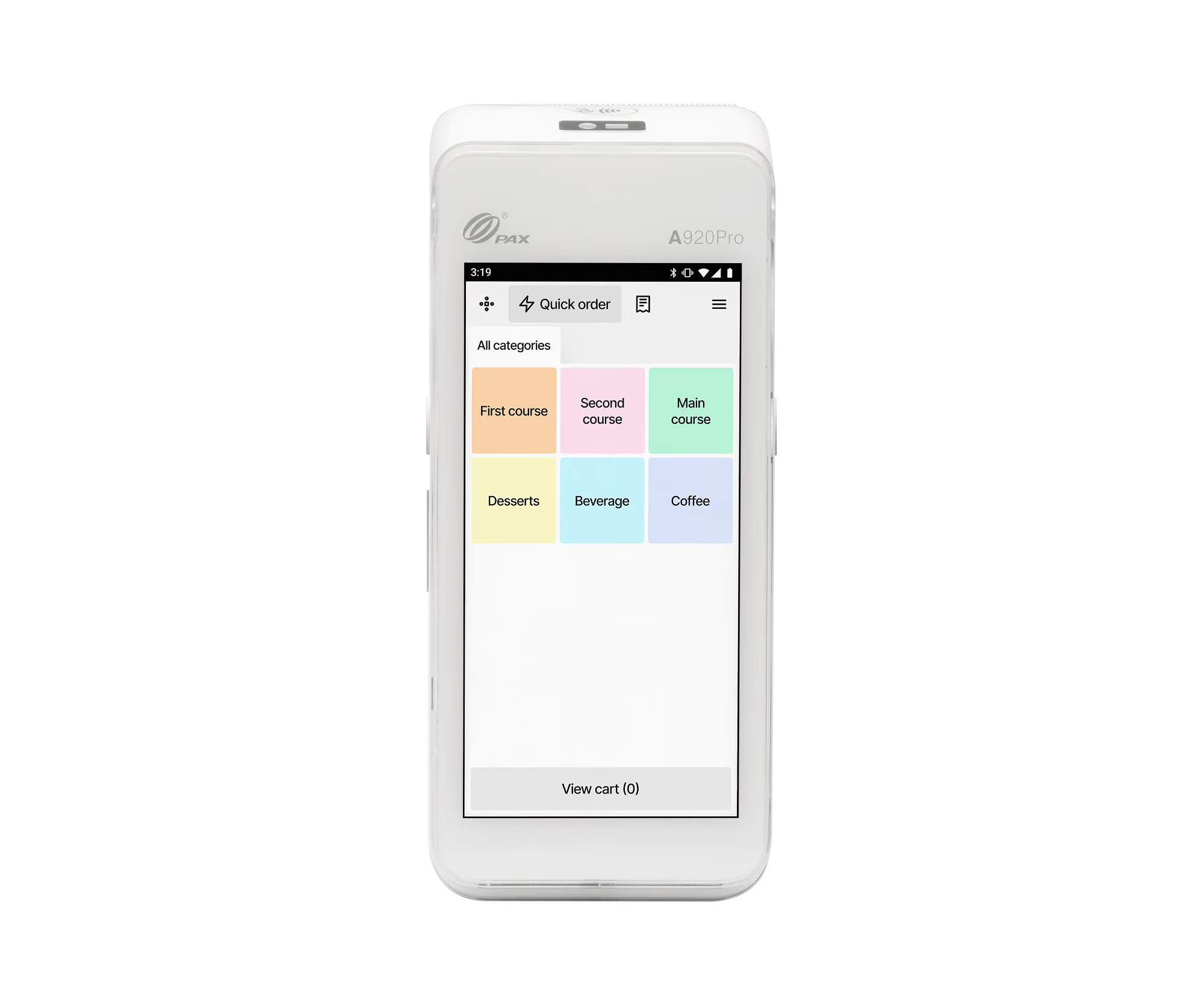
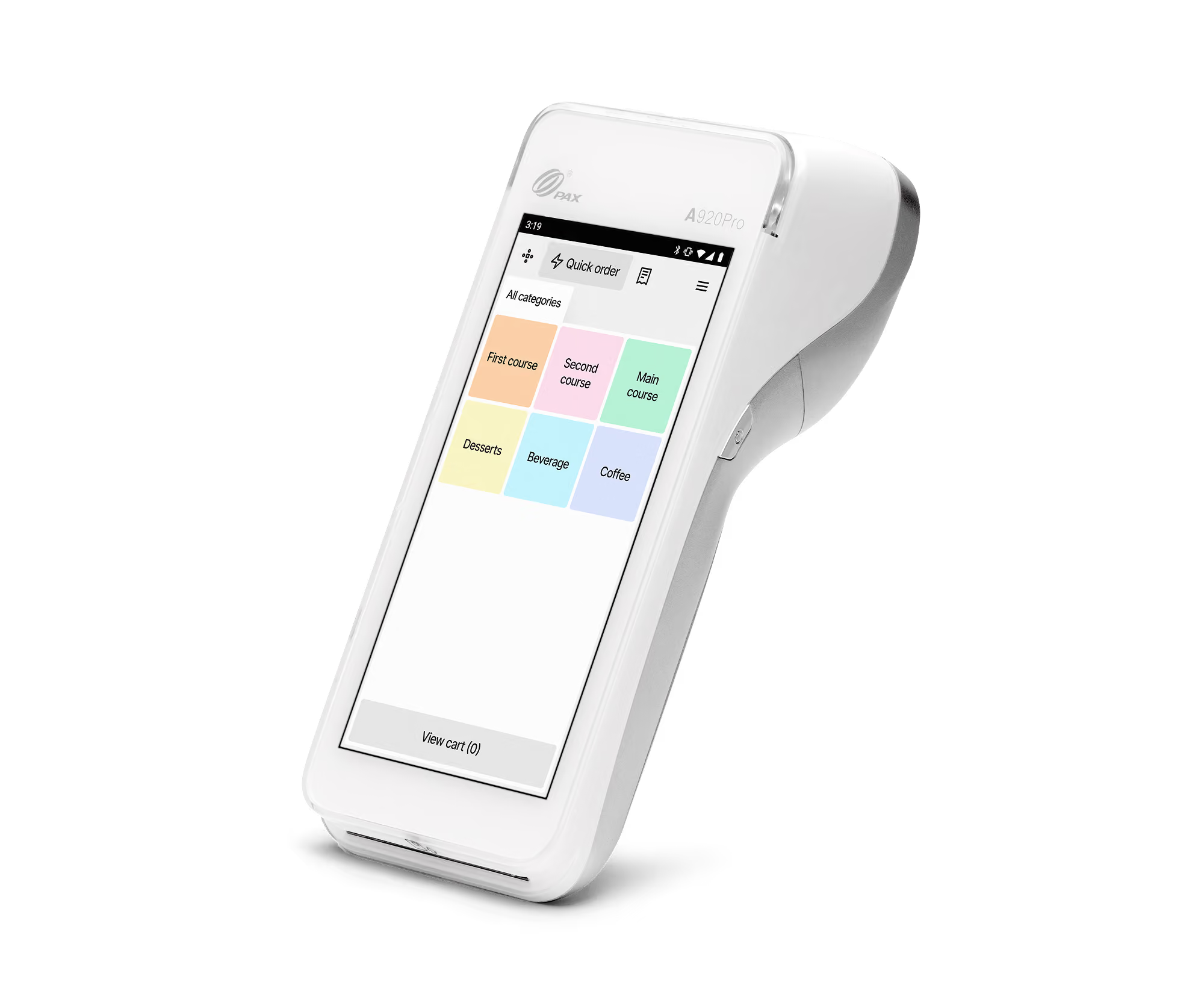
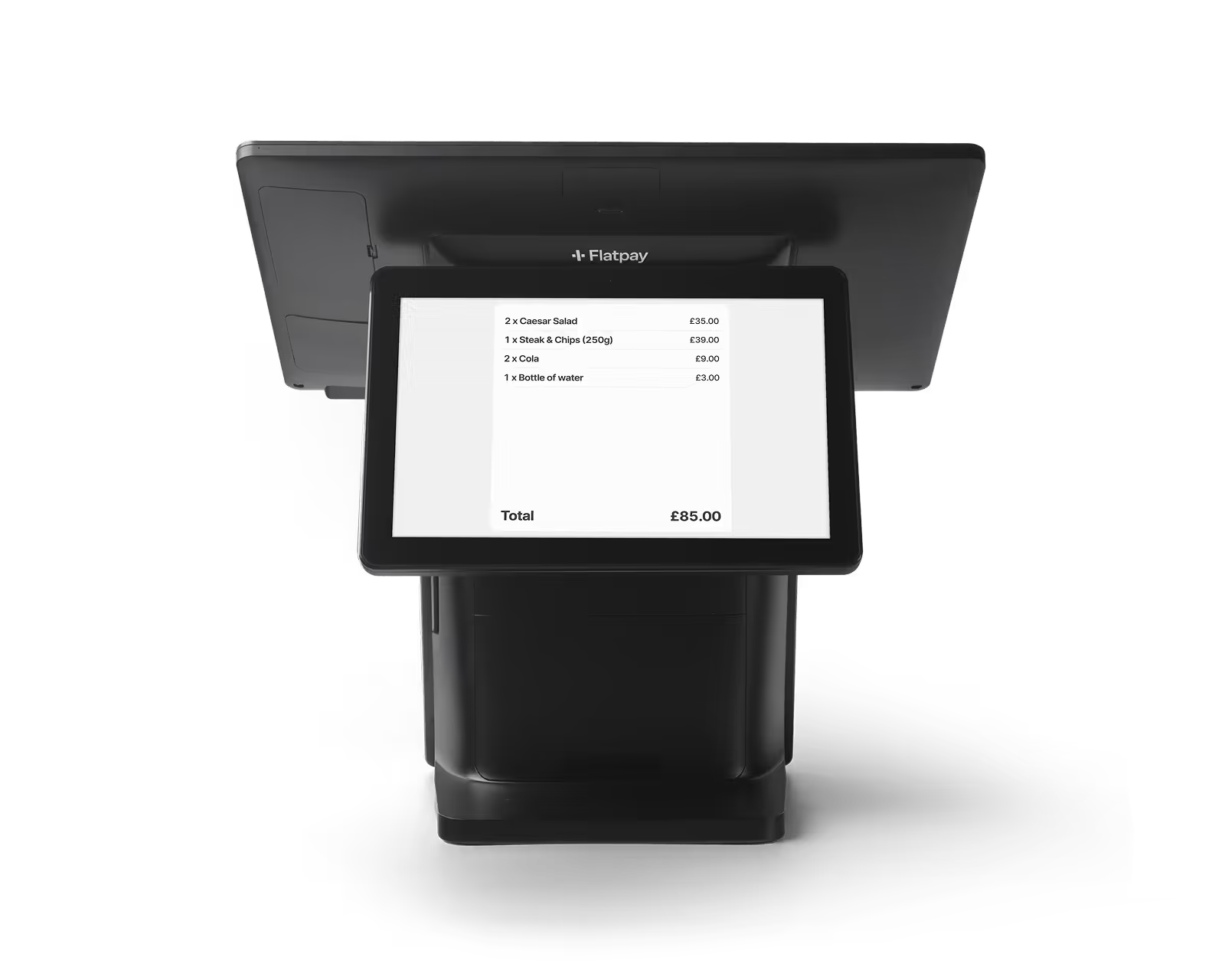
With Flatpay's restaurant POS system, you can manage product prices through the customer portal and update your POS with the latest information. This helps keep your pricing organised as ingredient costs change.
Make price updates part of your daily routine. Confirm the current prices, update your POS and brief your staff before service begins. That way, customers know what they'll pay, and your team can charge the correct amount without unnecessary interruptions.
FAQ
What does MP mean on a menu?
MP stands for "market price". It means the price of a dish can vary depending on factors such as ingredient costs, season and availability. Rather than listing a fixed price, the restaurant sets the price based on current conditions.
Which dishes usually have market pricing?
Market pricing is most common for seafood such as oysters, lobster, crab and fresh fish, where supplier prices and availability can fluctuate. Some restaurants also use it for premium cuts of meat or seasonal specialities.
How do I find out the market price before ordering?
Ask a member of staff for the current price if it isn't displayed on the menu. Restaurants should make this information readily available and ensure customers know what they'll pay before placing their order.
Should my restaurant use "MP" or spell out "Market Price"?
"Market Price" is generally easier to understand, particularly for customers unfamiliar with the abbreviation. If you use "MP", consider adding a short explanation to your menu. Whichever option you choose, make sure customers can easily find out the current price before ordering.
With Flatpay's restaurant POS system, you can manage product prices through the customer portal and update your POS as prices change. Explore how Flatpay can help you keep payments and everyday restaurant operations simple.



Accepting payments for any business, anytime, anywhere
Three solutions designed to get you paid.


Getting paid starts here
Let us get you set up to accept card payments and manage orders in one place. Get started today and see how smooth running your business can be with Flatpay.

