
Looks like you're visiting from {country}...
Switch to our {language} site for local pricing and products
Terminal tips
Retail reporting: the retail KPIs every small business should track

IN THIS ARTICLE
This is a div block with a Webflow interaction that will be triggered when the heading is in the view.
.avif)
Running a retail business means making decisions every day. Which products should you reorder? When should you schedule more staff? Are sales improving? Is your business becoming more profitable?
The answers are often already in your sales data. The key is knowing what to look for – and that’s where retail reporting comes in.
By tracking a handful of retail KPIs (key performance indicators), you can better understand how your business is performing and make more informed decisions without relying on guesswork.
We'll explain what retail KPIs are, which ones matter most for small businesses, and how a modern POS system can make reporting much simpler.
Key takeaways:
- Retail KPIs are measurable metrics that help you understand how your business is performing.
- Tracking the right KPIs can improve decisions around sales, stock, staffing, and profitability.
- You don't need dozens of reports. A small number of useful metrics is often enough.
- A modern POS system can automatically track many of the KPIs small retailers rely on every day.
What is retail reporting?
Retail reporting is the process of collecting and reviewing information about how your business is performing. Instead of relying on assumptions, retail reports use sales and business data to show what's happening in your store.
Good retail reporting can help answer questions such as:
- How much have we sold today?
- Which products are selling best?
- When are we busiest?
- Are sales increasing or declining?
- Which products need restocking?
By reviewing this information regularly, you can spot trends, identify opportunities, and respond more quickly to changes in customer demand.
What are retail KPIs?
A KPI, or key performance indicator, is a measurable value that shows how well your business is performing against a specific objective.
In retail, KPIs help you measure everything from sales and profitability to stock performance and customer buying habits.
Retail KPIs don’t have to be complex to be useful. In fact, many small businesses benefit most from consistently tracking a handful of practical metrics rather than trying to analyse everything.
Why retail KPIs matter
Retail KPIs help turn day-to-day sales into useful business insights.
Regular reporting can help you:
- Measure business growth
- Understand customer buying patterns
- Improve inventory planning
- Make better staffing decisions
- Identify opportunities to increase profitability
- Spot problems before they become bigger issues
Instead of reacting after something goes wrong, you can make decisions based on real data.
With that being said, it’s important not to overdo it. Starting with a few meaningful KPIs is often far more valuable than trying to measure everything.
Below, we’ll cover some of the most valuable KPIs for small businesses.
Essential retail KPIs every small business should track
Let’s take a closer look at each of them.
Sales revenue
Sales revenue is one of the most fundamental retail KPIs. Tracking daily, weekly, monthly, and yearly revenue helps you understand whether your business is growing and whether seasonal trends are affecting performance.
Looking at revenue over time also makes it easier to identify unusual changes before they become larger problems.
Sales by product
Knowing which products sell well is just as important as knowing your overall revenue.
Tracking product performance helps you:
- Reorder popular items before they sell out
- Identify slow-moving products
- Improve product displays
- Make better purchasing decisions
This information can also support future promotions and seasonal planning.
Average transaction value
Average transaction value (ATV) measures how much customers spend during each purchase. A higher average transaction value can increase revenue without attracting more customers.
Retailers often improve this KPI by:
- Offering complementary products
- Creating product bundles
- Suggesting premium alternatives
- Running multi-buy promotions
Even small increases in average transaction value can make a meaningful difference over time.
Number of transactions
Revenue only tells part of the story. For example, sales may stay the same because fewer customers are spending more, or because more customers are making smaller purchases.
Tracking transaction volume alongside revenue gives you a clearer picture of customer behaviour.
Gross profit margin
Revenue is important, but profitability matters just as much. Gross profit margin measures how much money remains after covering the direct cost of the products you sell.
Monitoring this KPI helps you understand whether increased sales are actually leading to higher profits.
Learn more: Profit margin: meaning, types, and how to calculate it
Inventory turnover
Inventory turnover measures how quickly your products sell and are replaced. A healthy turnover usually means you're stocking products customers actually want while avoiding unnecessary storage costs.
Low inventory turnover may indicate you're holding too much stock or carrying products with limited demand.
Read more: What is turnover? Definition, calculation, and why it matters
Peak trading hours
Knowing when your business is busiest helps you plan more effectively.
By identifying your busiest days and times, you can:
- Schedule more staff when needed
- Reduce queues
- Improve customer service
- Plan promotions more effectively
Many modern POS systems automatically record this information for every transaction.
Refund rate
Returns are part of retail, but a consistently high refund rate can highlight underlying issues.
For example, it may indicate product quality concerns, or that your product descriptions don’t match the product offered. If customer expectations aren’t met, it’ll affect your refund rate.
Monitoring refund rates can help identify problems before they affect profitability.
How often should you review retail KPIs?
Different KPIs are useful over different timeframes.
Reviewing reports consistently helps you spot trends early rather than reacting after problems arise.
How a POS system simplifies retail reporting
Collecting retail data manually can be time-consuming, especially as your business grows. A modern POS system solves that problem: it automatically records every transaction, making it much easier to access the information you need.
Depending on your setup, your POS system can help you monitor:
- Sales performance
- Product performance
- Peak trading times
- Payment activity
- Business trends over time
This gives you a clearer overview of your business without relying on spreadsheets or manual calculations.
A simpler way to understand your business
Retail reporting goes beyond numbers to help you understand what's happening in your business – and with that information, you can make smarter decisions.
By regularly reviewing a handful of meaningful retail KPIs, you can improve stock planning, understand customer behaviour, increase profitability, and prepare for busy trading periods with greater confidence.
The right POS system makes this even easier by automatically collecting much of the information you need, giving you more time to focus on running your business and serving your customers.
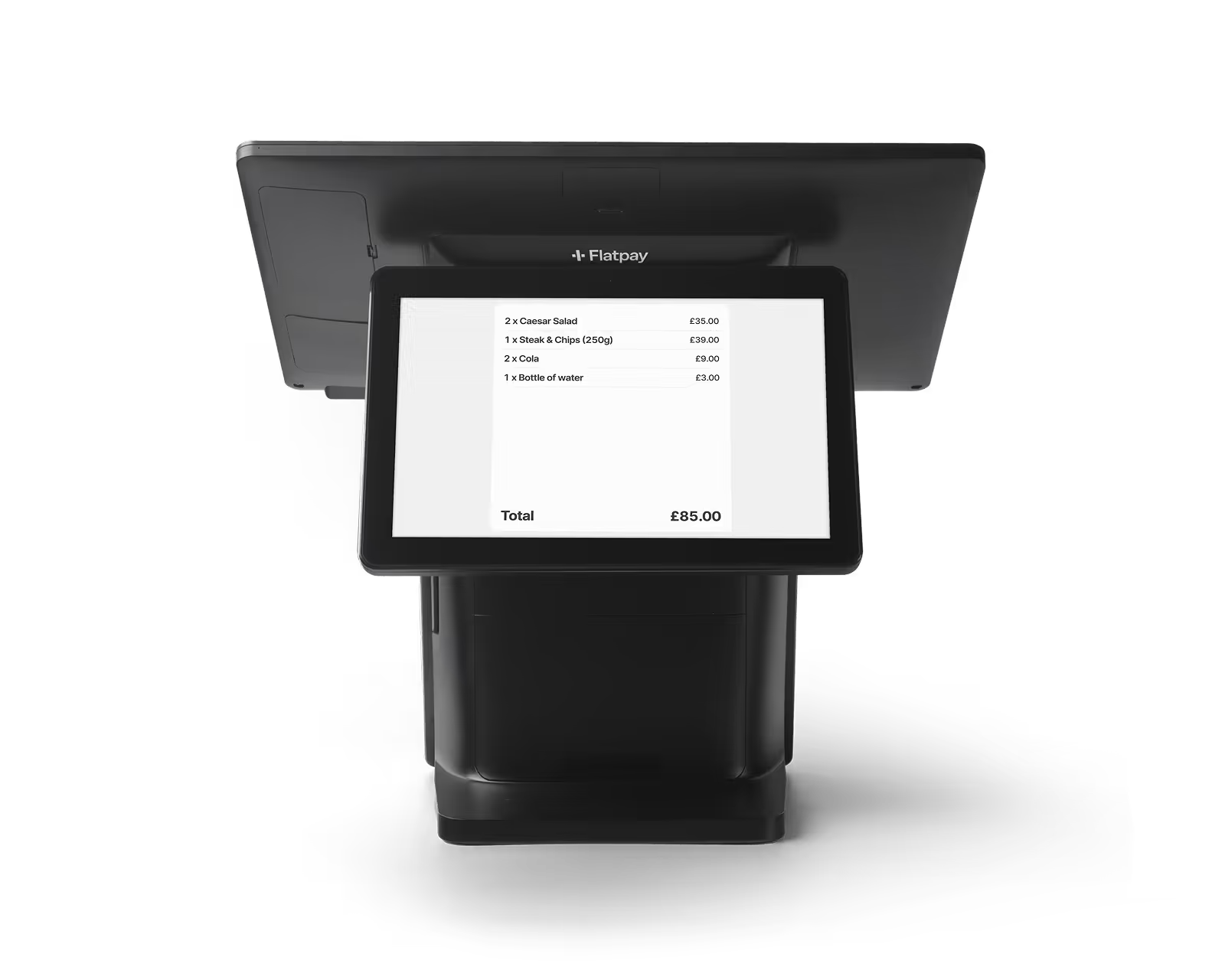
Flatpay helps you track sales, monitor performance, and stay in control with real-time reporting designed for small businesses.

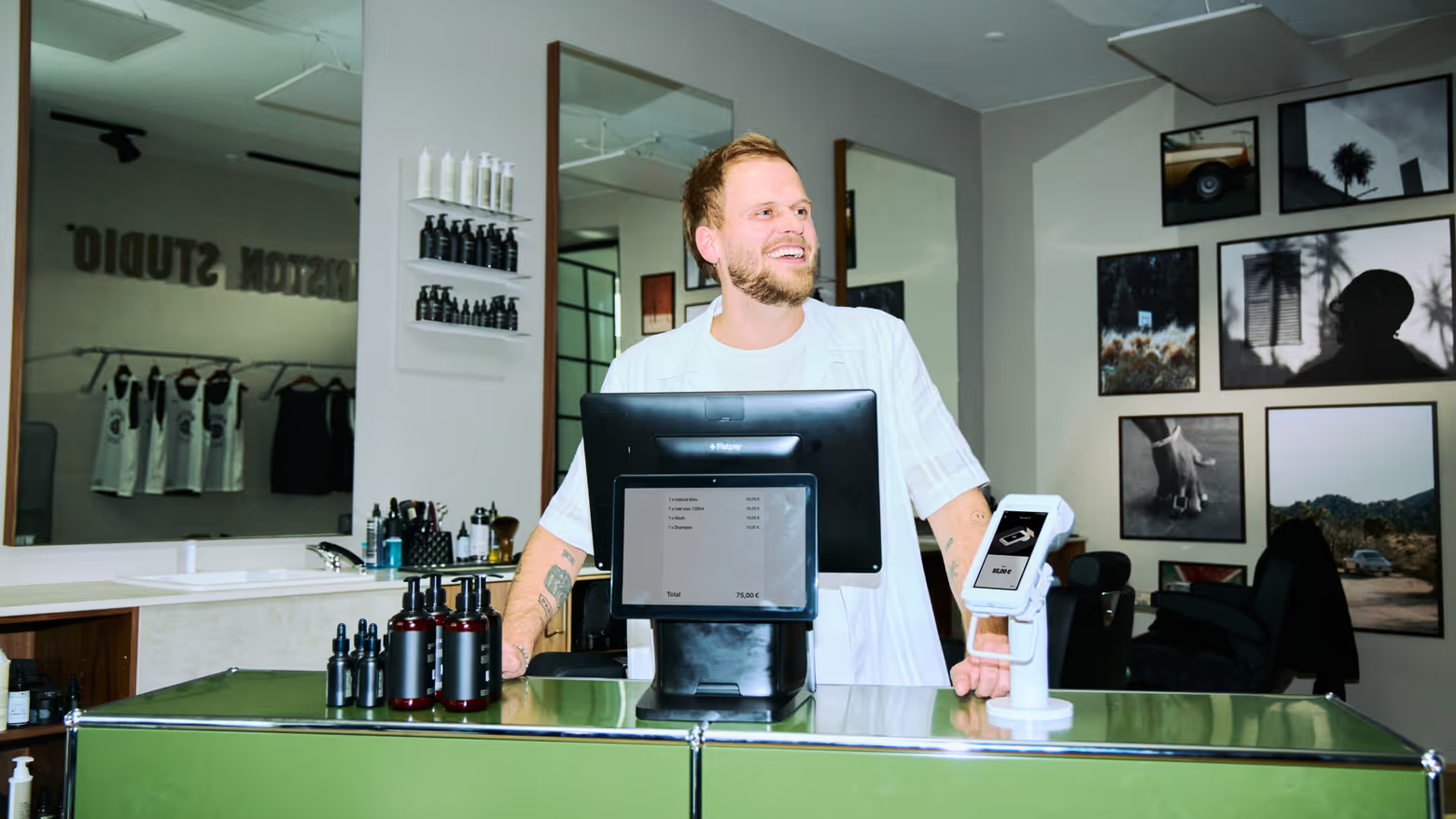
Accepting payments for any business, anytime, anywhere
Two solutions designed to get you paid.

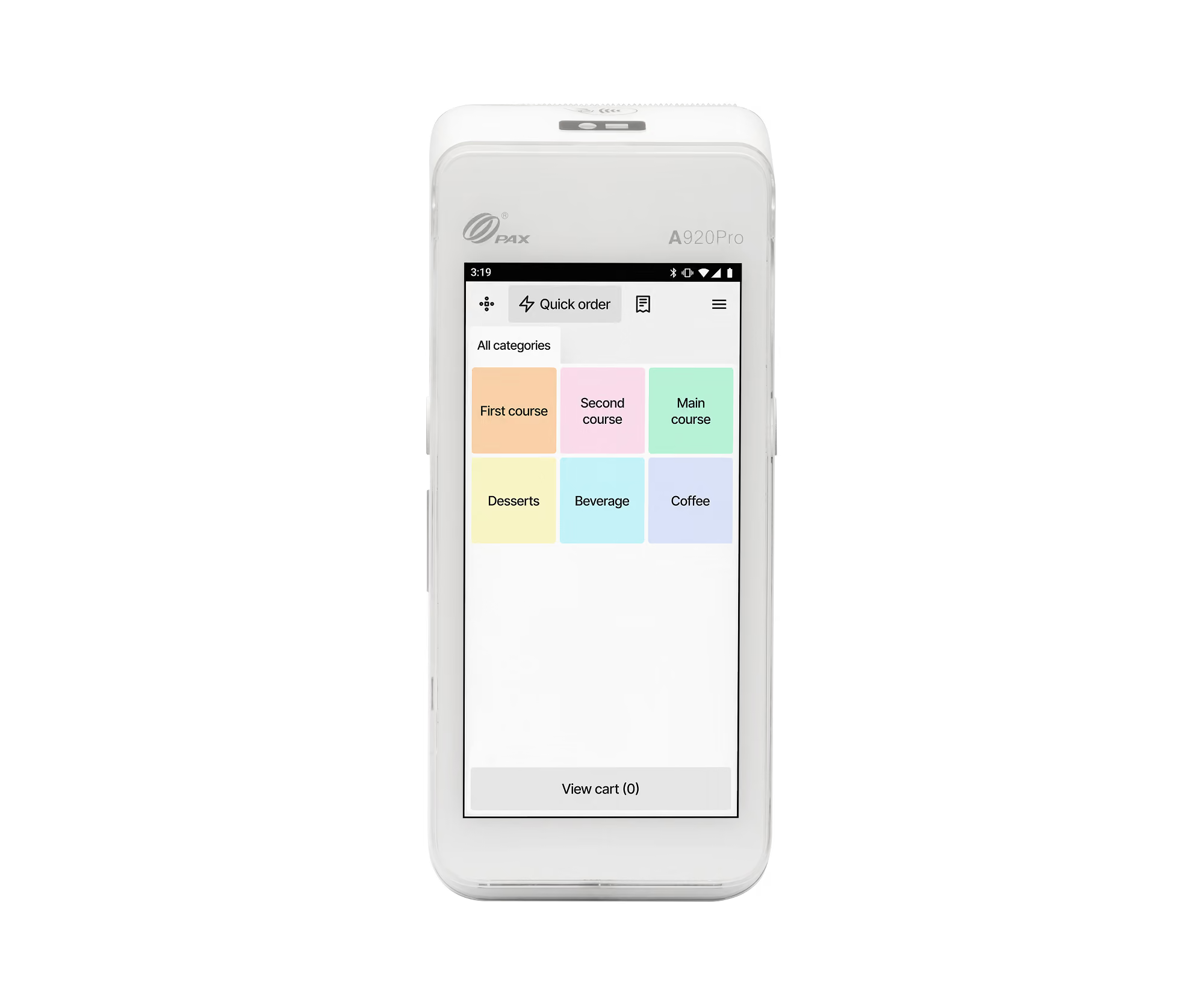
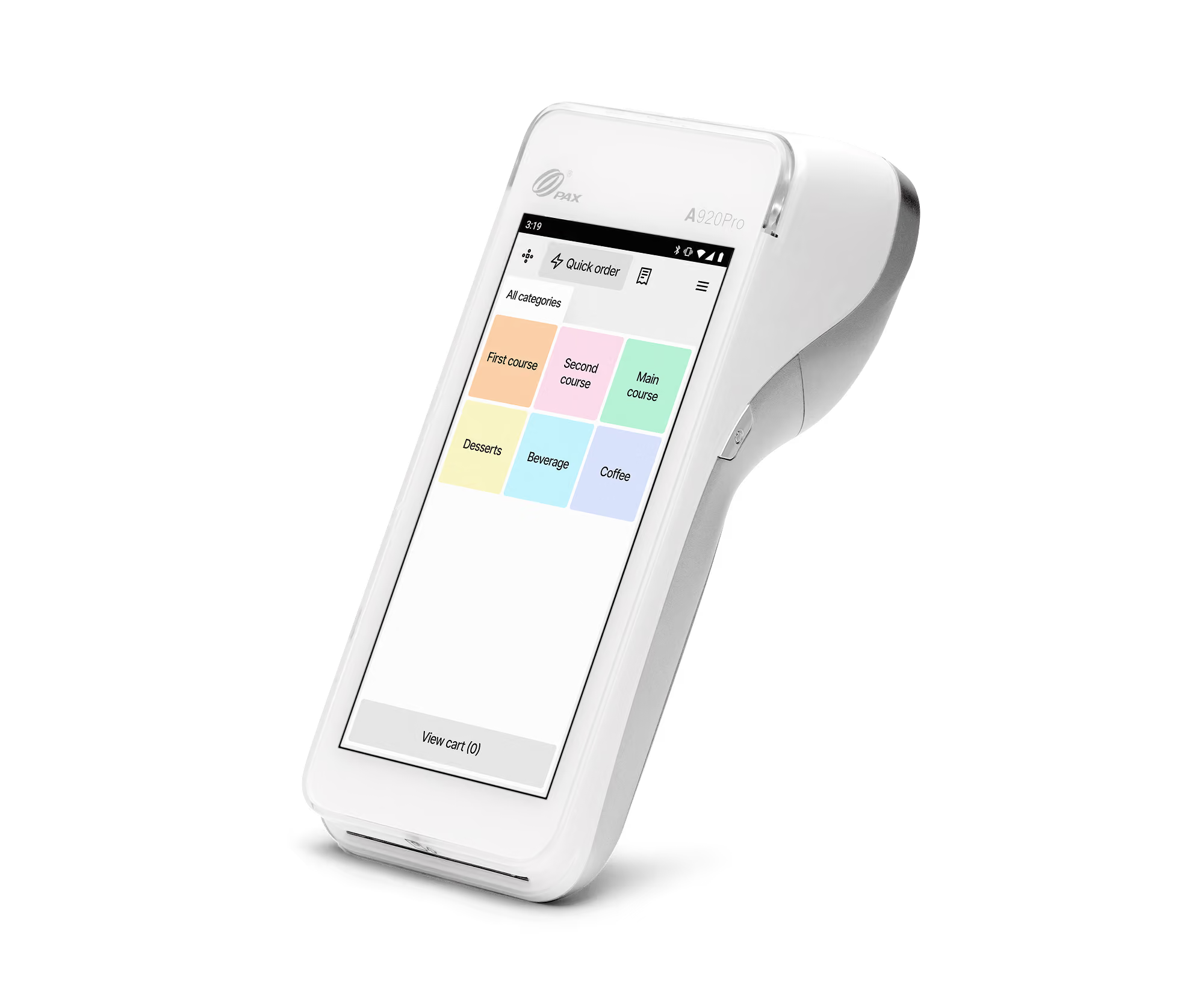

Getting paid starts here
Let us get you set up to accept card payments and manage orders in one place. Get started today and see how smooth running your business can be with Flatpay.

