
Looks like you're visiting from {country}...
Switch to our {language} site for local pricing and products
Merchant insights
Seasonal retail planning for small businesses: how to prepare for busy periods
IN THIS ARTICLE
This is a div block with a Webflow interaction that will be triggered when the heading is in the view.
.avif)
For small retailers, seasonal peaks bring valuable opportunities to boost sales and attract new customers – whether it’s Christmas, Mother’s Day, back to school, or the summer tourist season.
But they also bring challenges. Higher customer demand means more stock to manage, more staff to coordinate, and longer queues to handle. Without a plan, what should be your busiest and most profitable period can quickly become your most stressful.
The good news is that seasonal retail planning doesn't have to be complicated. With a few practical steps, you can prepare your business, improve the customer experience, and make the most of every busy season.
Key takeaways:
- Seasonal retail planning helps small businesses prepare for predictable changes in customer demand.
- Reviewing previous sales data can help you forecast stock, staffing, and cash flow more accurately.
- Preparing your payment setup before busy periods can reduce queues and improve customer satisfaction.
- Reviewing your performance after each season makes future planning easier.
What is seasonal retail planning, and what does it involve?
Seasonal retail planning is the process of preparing your business for periods when customer demand is expected to increase or decrease.
For some retailers, this might mean preparing for the Christmas shopping rush. For others, it could be Valentine's Day, Mother's Day, summer holidays, or local events that bring more visitors to the area.
Good planning helps you anticipate what you'll need before demand arrives. That might include:
- Ordering additional stock
- Scheduling more staff
- Planning seasonal promotions
- Preparing your payment systems
- Reviewing cash flow
Essentially, seasonal planning ensures you’re ready for your busy periods, rather than reacting to them when they come around.
Why does seasonal planning matter for small businesses?
Large retailers often have dedicated planning teams and sophisticated forecasting tools. Small businesses rarely have those resources, which makes preparation even more important.
Planning ahead can help you:
- Avoid running out of popular products
- Improve the customer experience during busy periods
- Reduce unnecessary costs from over-ordering stock
- Schedule staff more efficiently
- Keep queues moving
- Make better business decisions with confidence
Even small improvements can make a noticeable difference when customer numbers increase.
Let’s take a closer look at what you can do to make sure your retail business is prepared for every season.
7 seasonal retail planning tips for small businesses
1. Identify your seasonal peaks
Every business has its own busy periods. Understanding when they happen is the first step towards planning effectively.
Common retail peaks include:
- Christmas
- Valentine's Day
- Mother's Day and Father's Day
- Easter
- Back-to-school shopping
- Summer holidays
- Black Friday
- Local festivals and community events
Some businesses are also affected by weather, tourism, or regional events. A seaside gift shop, for example, may see its busiest months during the summer, while a toy store may generate much of its annual revenue in the weeks leading up to Christmas.
Looking at your own trading patterns is often more valuable than relying on general retail trends.
2. Review previous sales data
Your previous sales can provide some of the best insights into future demand.
Before a busy season begins, review questions such as:
- Which products sold best?
- Which products didn't sell as expected?
- Which days were busiest?
- What time of day saw the highest sales?
- When were queues longest?
These insights help you make more informed decisions instead of relying on guesswork.
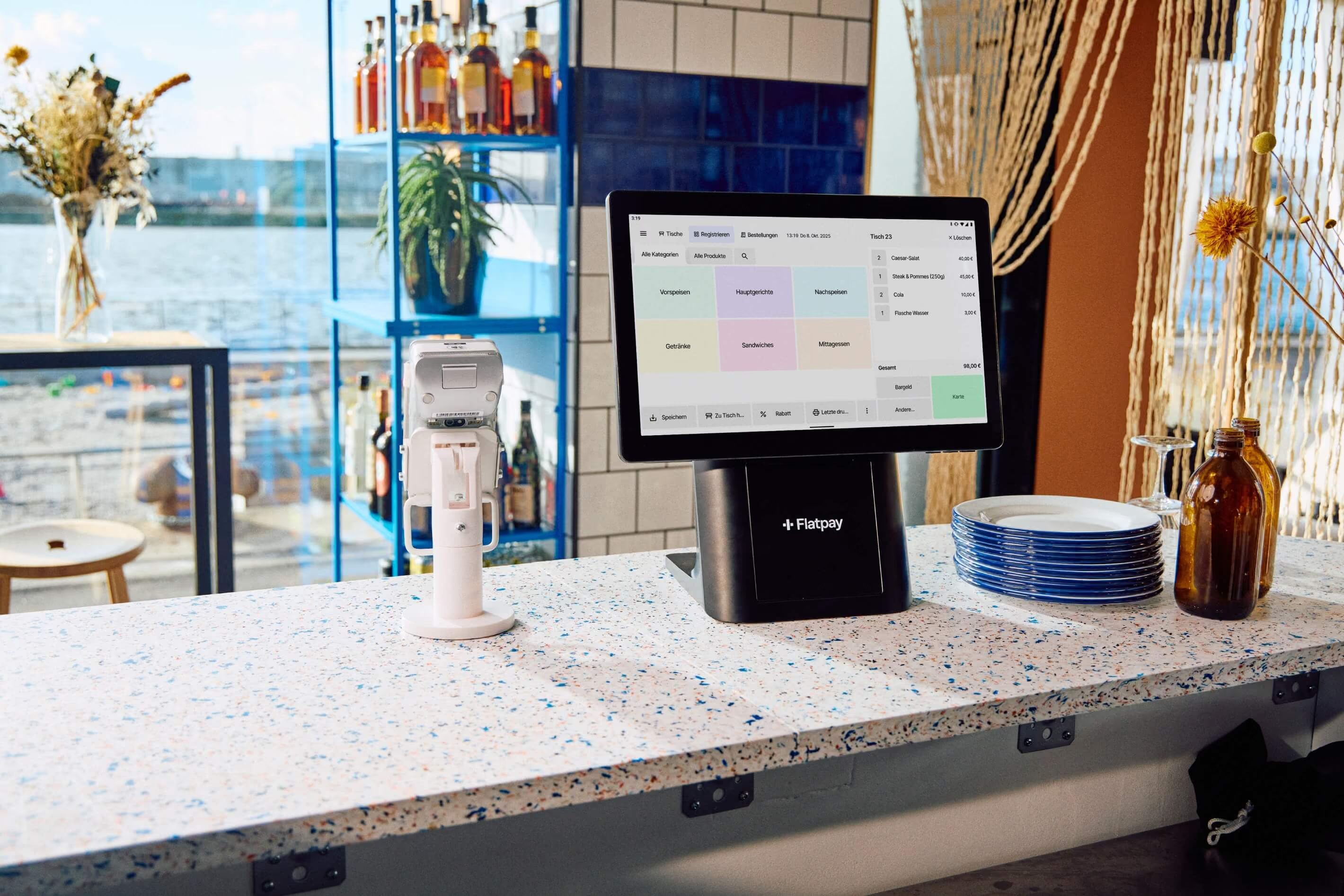
A POS system with real-time sales reporting makes this much easier, giving you quick access to historical sales data whenever you need it.
3. Plan your inventory
Having the right products available at the right time is one of the biggest challenges during seasonal peaks. Making sure you’re stocked up on popular products in good time is one thing. But it’s not the only way to stay ahead of busy seasons.
Consider:
- Speaking with suppliers about lead times
- Keeping additional stock of proven best sellers
- Avoiding over-ordering products with uncertain demand
- Reviewing slow-moving inventory before placing new orders
Finding the right balance helps reduce both stock shortages and unnecessary costs.
4. Prepare your team
Busy periods often require additional staff or adjusted rotas.
Before the season starts:
- Review staffing requirements
- Schedule shifts around expected demand
- Train temporary employees early
- Make sure everyone understands your checkout process
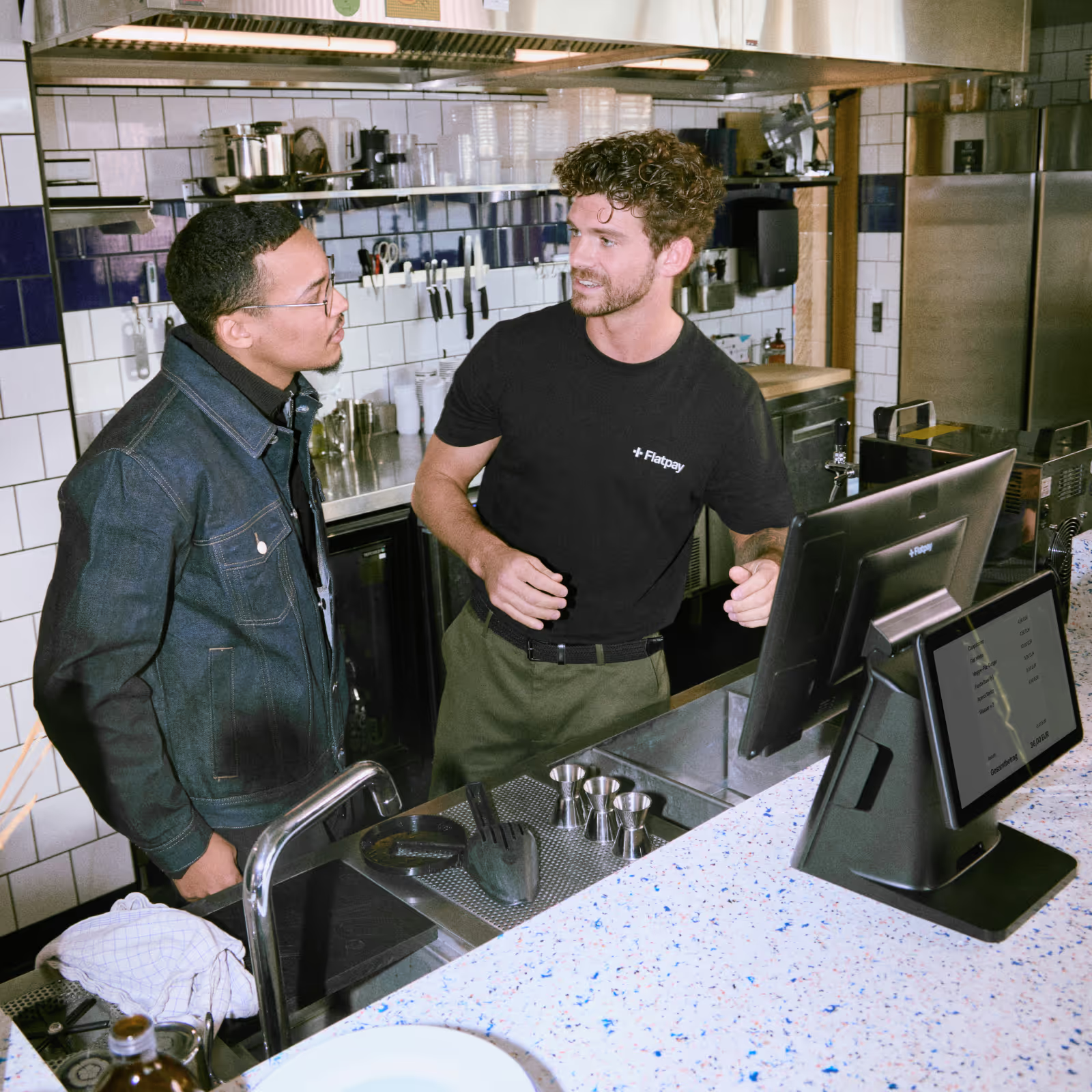
A simple, intuitive POS system can also reduce training time, helping new team members become confident more quickly.
5. Make checkout as smooth as possible
No matter how well you've planned your stock, long queues can quickly affect the customer experience. Customers expect fast, reliable checkout, especially during busy shopping periods.
Preparing your payment setup can help you process payments quickly, reduce waiting times, and keep queues moving. That creates a smoother experience for your customers – and takes pressure off your staff.
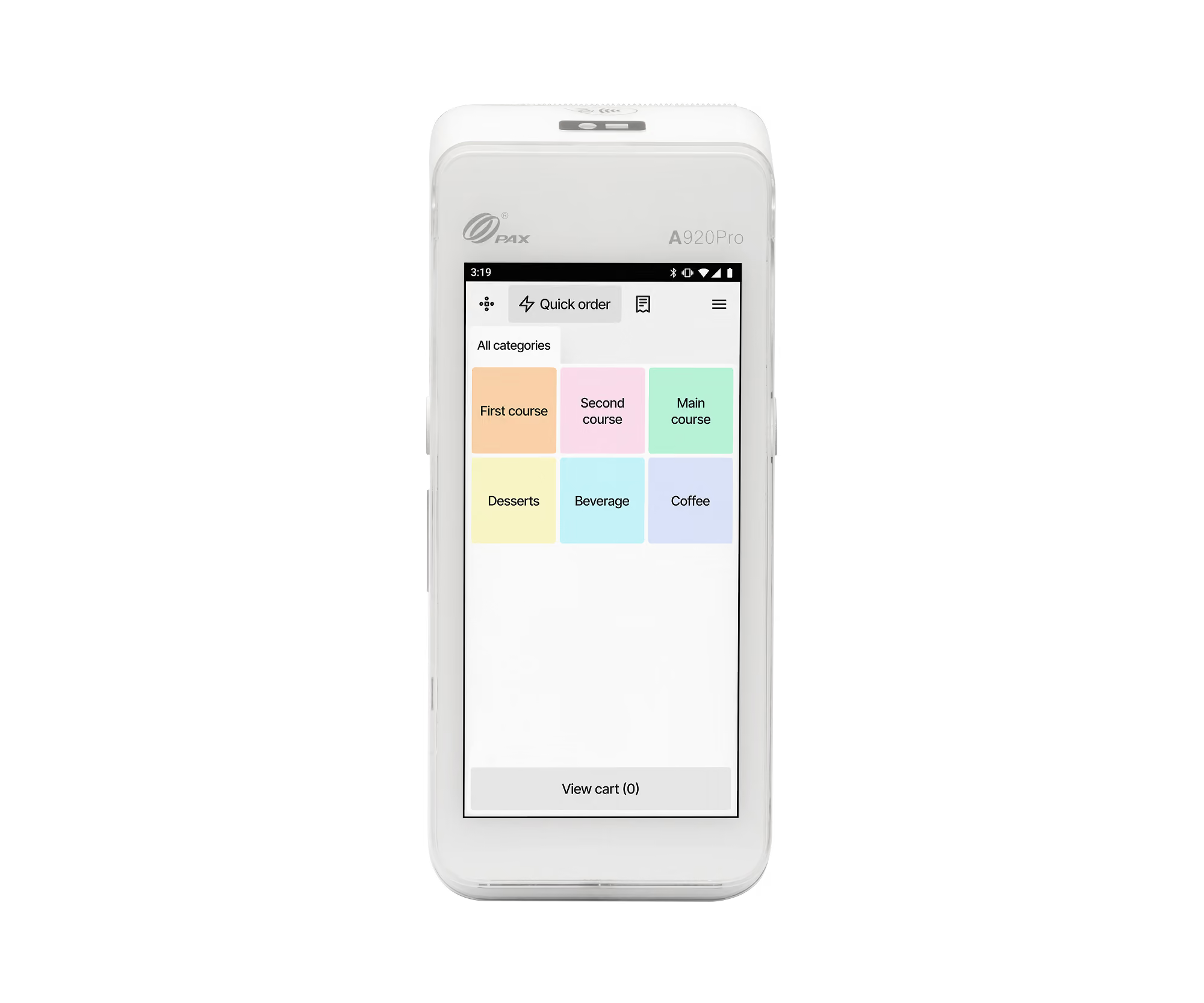
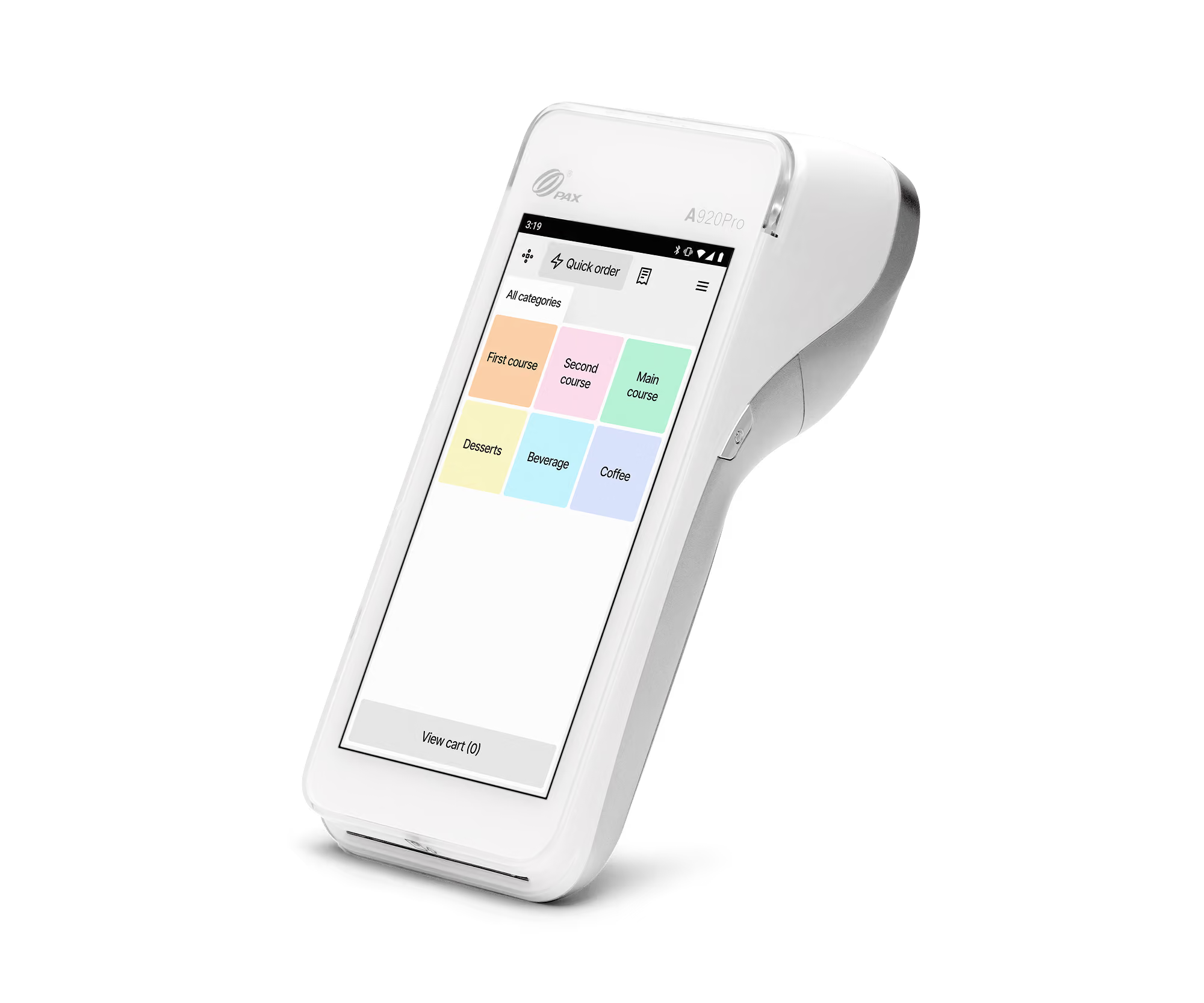
Many retailers can also gain valuable flexibility through portable POS devices, which allow staff to assist customers or take payments away from the main counter when needed.
6. Test your payment setup before peak season
When the busiest day of the year arrives, everything should be running smoothly. The last thing you need is to realise too late that something isn't working properly.
Before demand increases, check that:
- Your POS system is fully updated
- Payment devices are charged and ready
- Receipt paper is stocked
- Staff know how to use the system confidently
- Your reporting tools are working correctly
A quick check beforehand can prevent unnecessary disruption later.
7. Review your performance afterwards
Once the busy period has ended, take time to review how everything went while it's still fresh.
Ask yourself:
- Which products exceeded expectations?
- Which products underperformed?
- Were staffing levels appropriate?
- Were there avoidable bottlenecks?
- How well did your payment process perform?
Each busy season gives you valuable information that can make the next one even more successful.
Common seasonal retail planning mistakes to avoid
Even experienced retailers can be caught out by seasonal demand. Some of the most common mistakes include:
- Waiting too long to order stock
- Ignoring previous sales data
- Underestimating staffing requirements
- Failing to test payment systems before busy periods
- Creating unnecessary checkout delays
- Ordering too much inventory without a clear sales forecast
Most of these issues can be avoided with early planning and regular review, so it’s worth dedicating a little time to ensuring you don’t have to put out unnecessary fires later on.
Seasonal retail planning calendar
While every business has its own sales patterns, there are several key events that many UK retailers prepare for each year. Planning a few months ahead can help you order stock, schedule staff, and avoid last-minute pressure.
To help you prepare, here’s a quick overview of seasonal events to consider:
Not every event will be relevant to your business. A flower shop may see its biggest peaks around Valentine's Day and Mother's Day, while a bookshop might see more traffic in August and September when the new school year begins.
Looking at your own sales data year after year will help you identify the seasonal patterns that matter most for your business.
Turn seasonal peaks into an opportunity with Flatpay
A busy period places extra pressure on every part of your business – including your payment systems. That makes it all the more important to choose a reliable POS system.
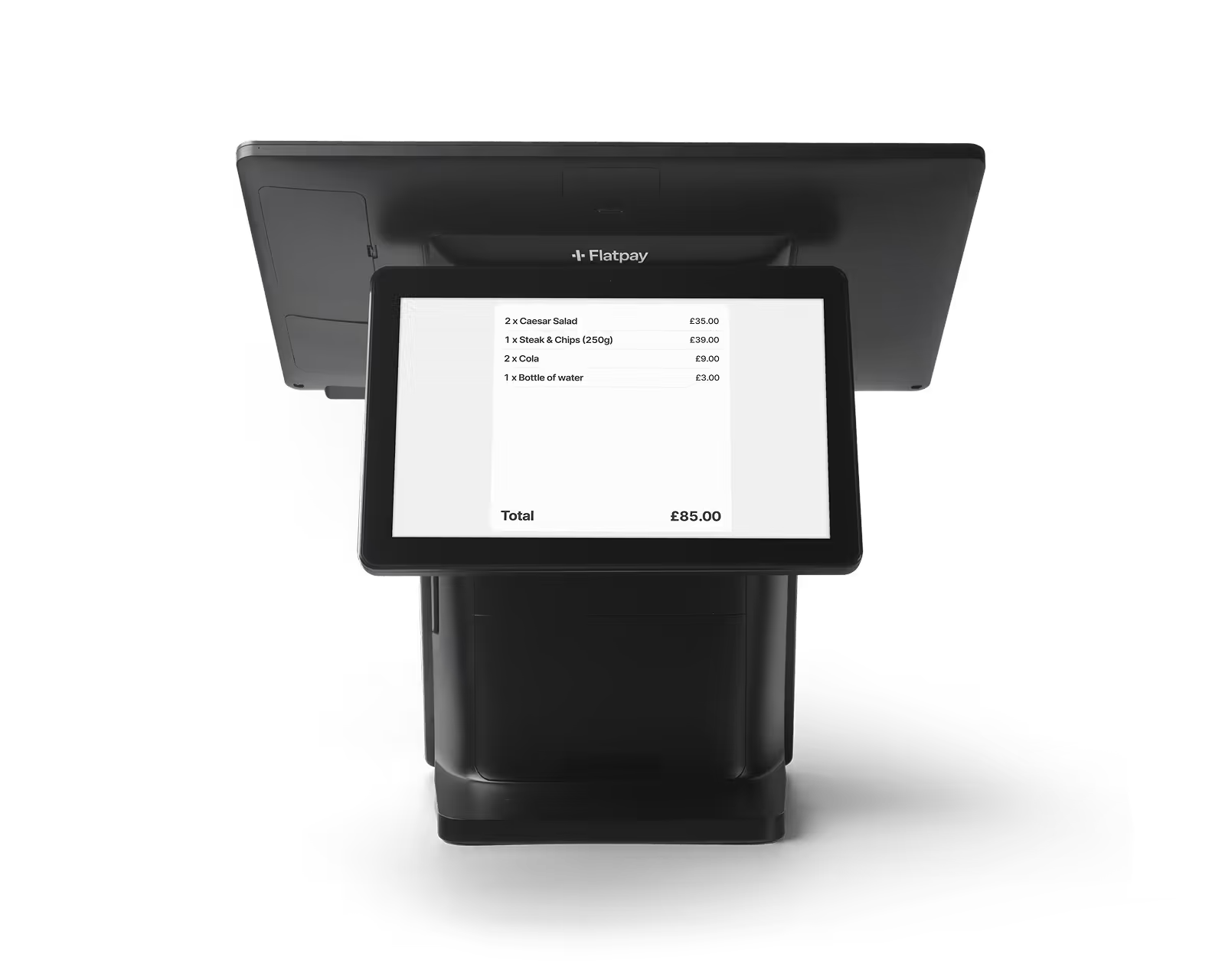
The right POS system helps you stay prepared by making it easier to process payments quickly, monitor sales in real time, and keep daily operations running smoothly. Portable payment devices can also boost flexibility during busy periods, and transparent pricing makes it easier to understand your costs as transaction volumes increase.
With no monthly fees and a simple 1.69% flat transaction rate, Flatpay gives your small business predictable payment costs throughout the year – whether you're navigating a quiet week or your busiest trading season.
Seasonal peaks don't have to mean unnecessary stress. With the right preparation – and the right POS system on your side – you can stay ahead of demand, make better decisions, and create a smoother experience for both your customers and your team.


Accepting payments for any business, anytime, anywhere
Two solutions designed to get you paid.



Getting paid starts here
Let us get you set up to accept card payments and manage orders in one place. Get started today and see how smooth running your business can be with Flatpay.

